
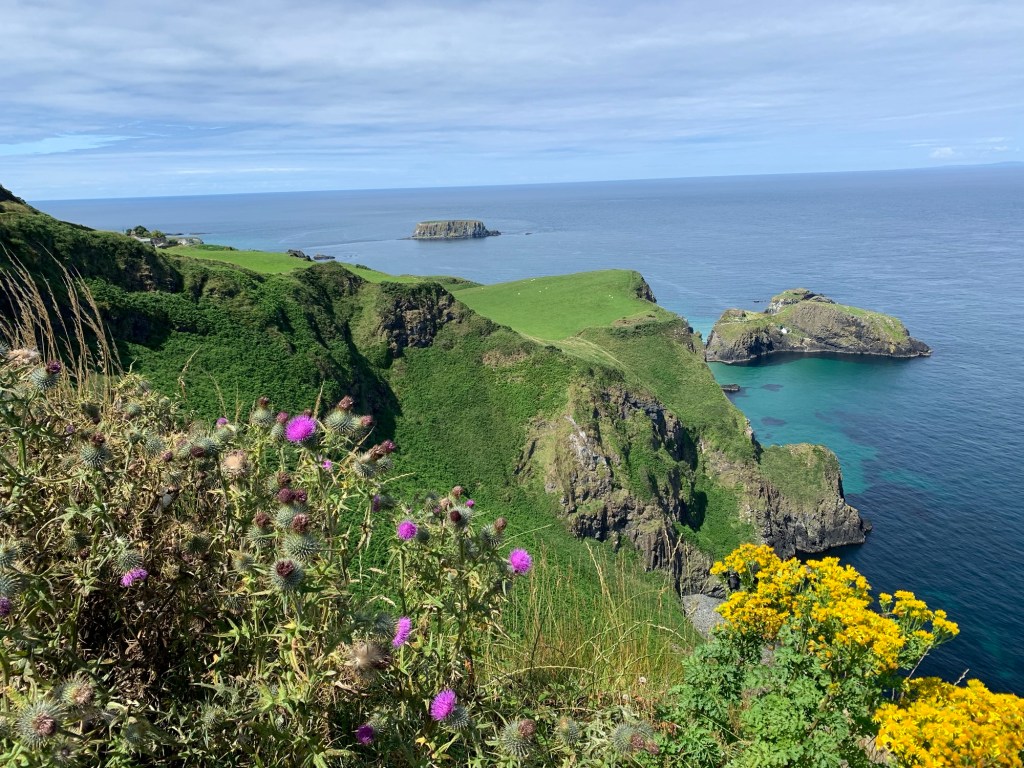
I spent a quick week exploring Belfast, Derry, and Galway, and each city had its own feel. The trip had a good mix of history, culture, and just wandering around taking things in. There was plenty to learn, lots of great food, and some really cool moments along the way. It was the kind of trip where every stop felt different but all of it fit together in a fun way.
Belfast: Day 1
Visiting Belfast was a memorable stop on my journey. One of the most unexpected moments of the trip happened right after I landed. As I was waiting for the bus into the city, I heard someone say my name—turns out, one of my old TAs from university had been on the same flight from Glasgow. We hadn’t seen each other in probably 10 years, and the coincidence of running into him in a completely different country was a really funny start to the trip.
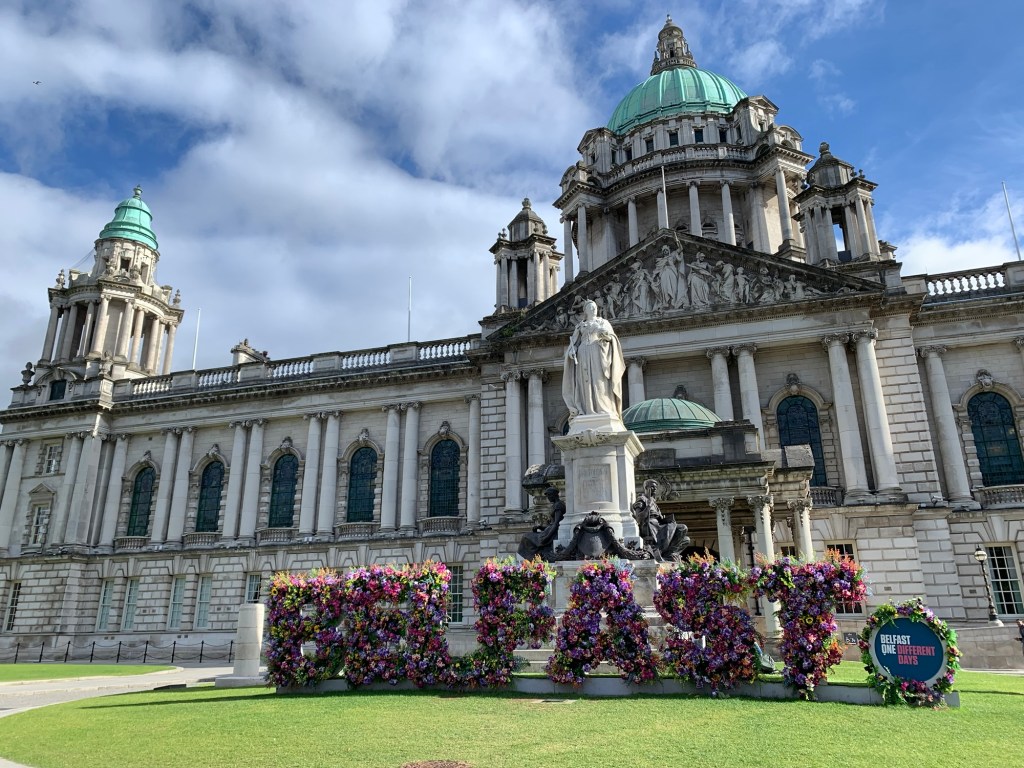
Belfast’s architecture is a mix of old and new, reflecting its rich history and ongoing growth. In the city centre, you’ll find Victorian and Edwardian buildings with grand facades, decorative stonework, and tall window, like the Belfast City Hall, which has a green copper dome and columns. There are also plenty of red-brick buildings from the industrial era, especially around the old shipyards and warehouses.
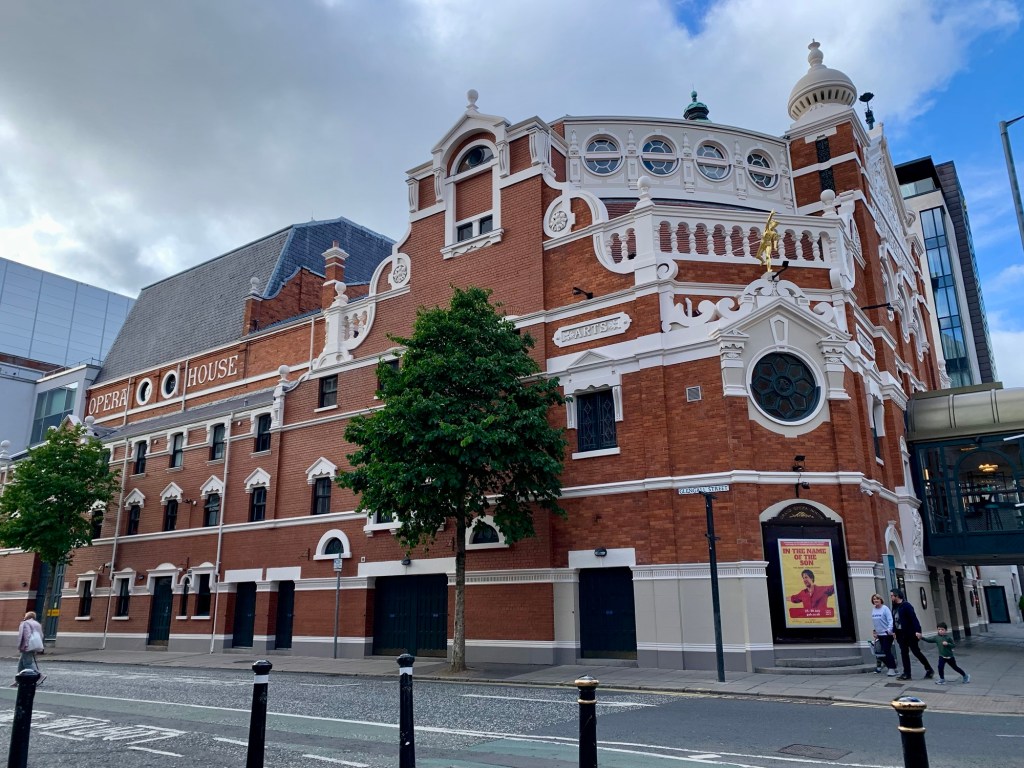
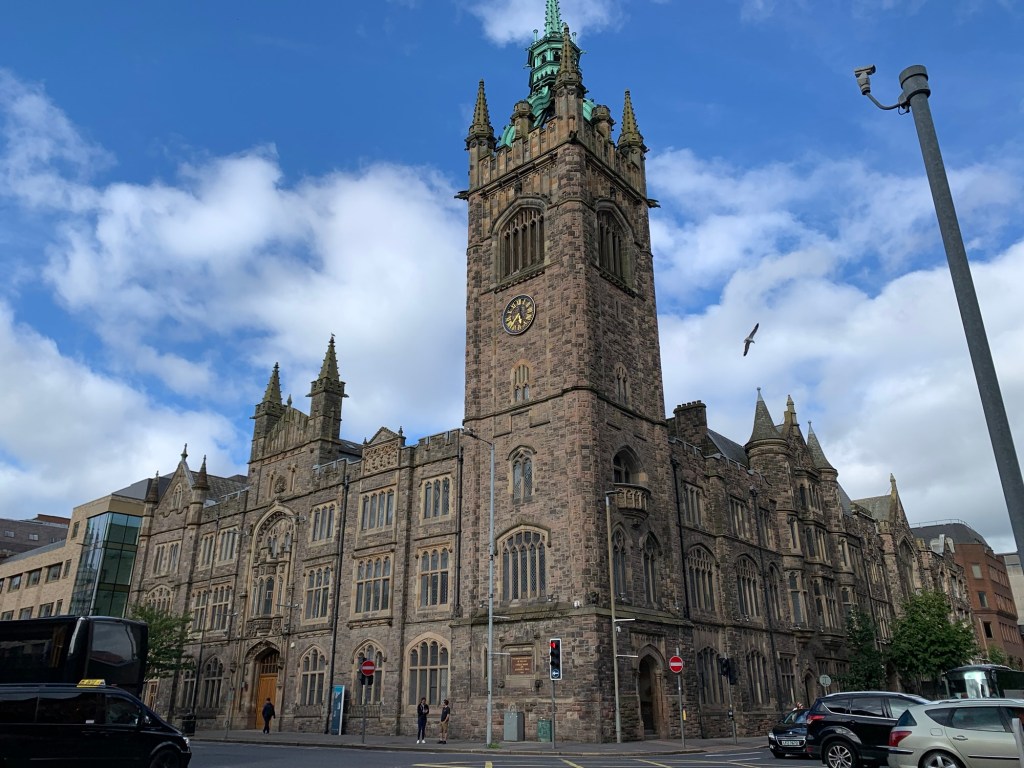
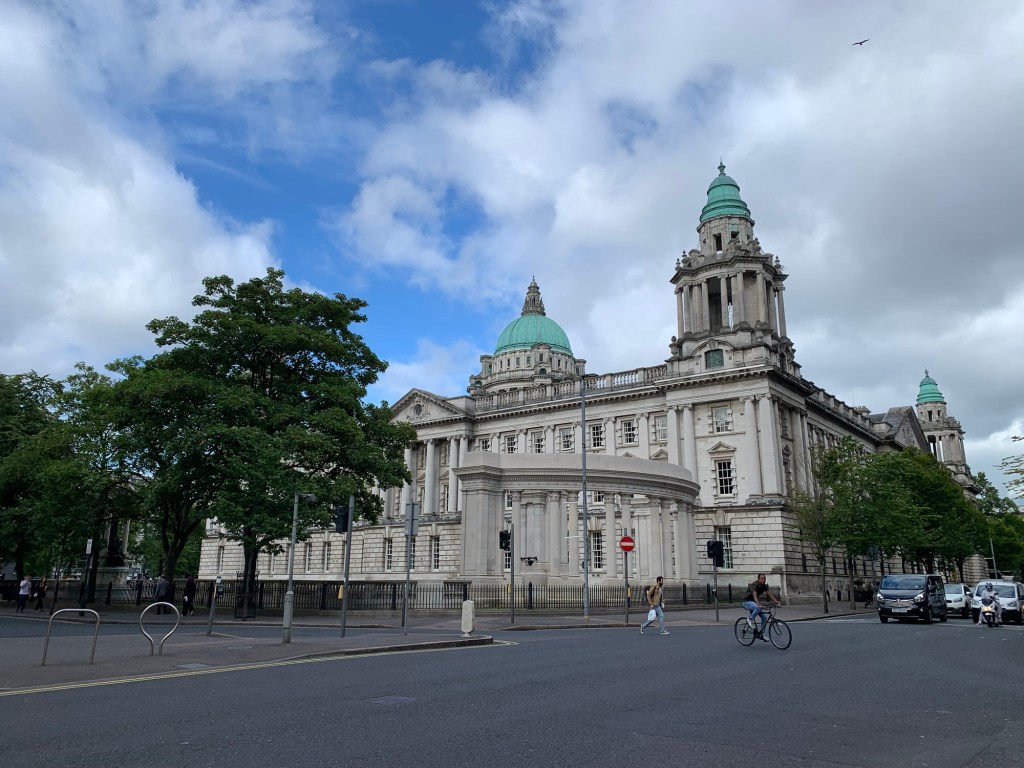
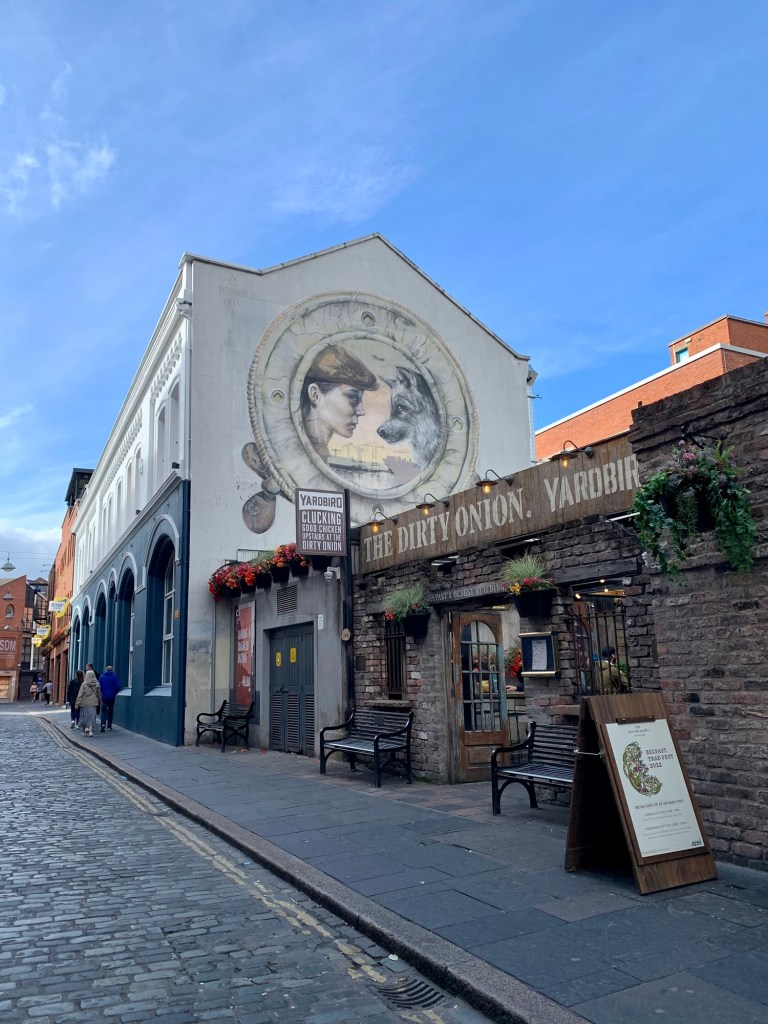
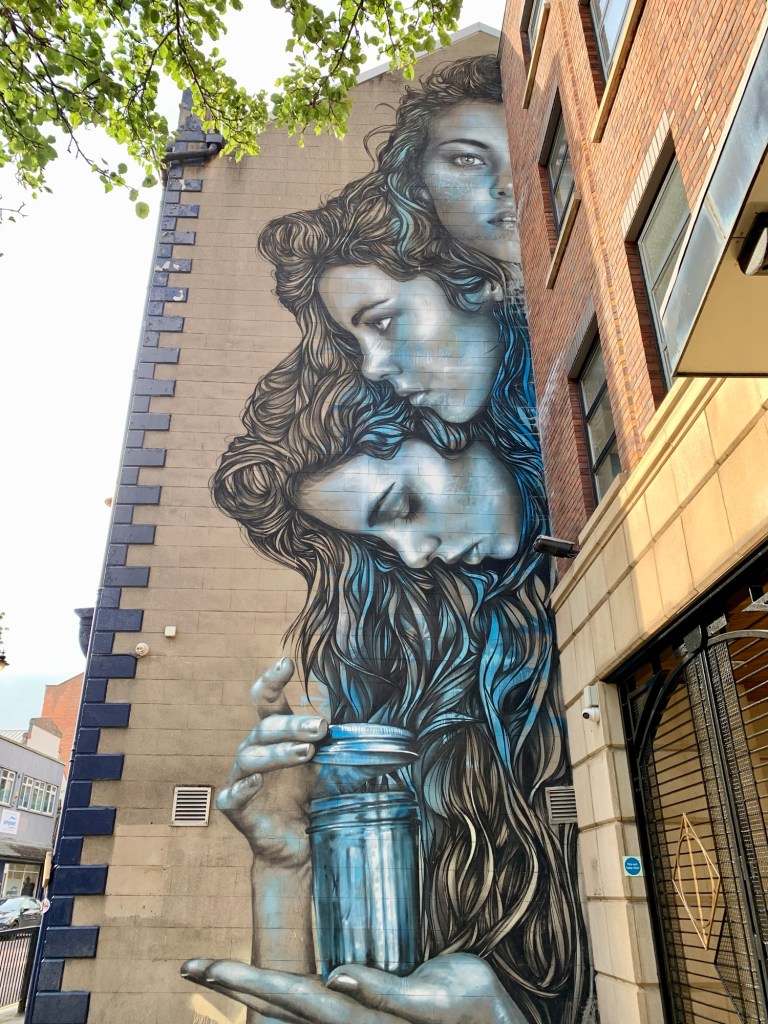
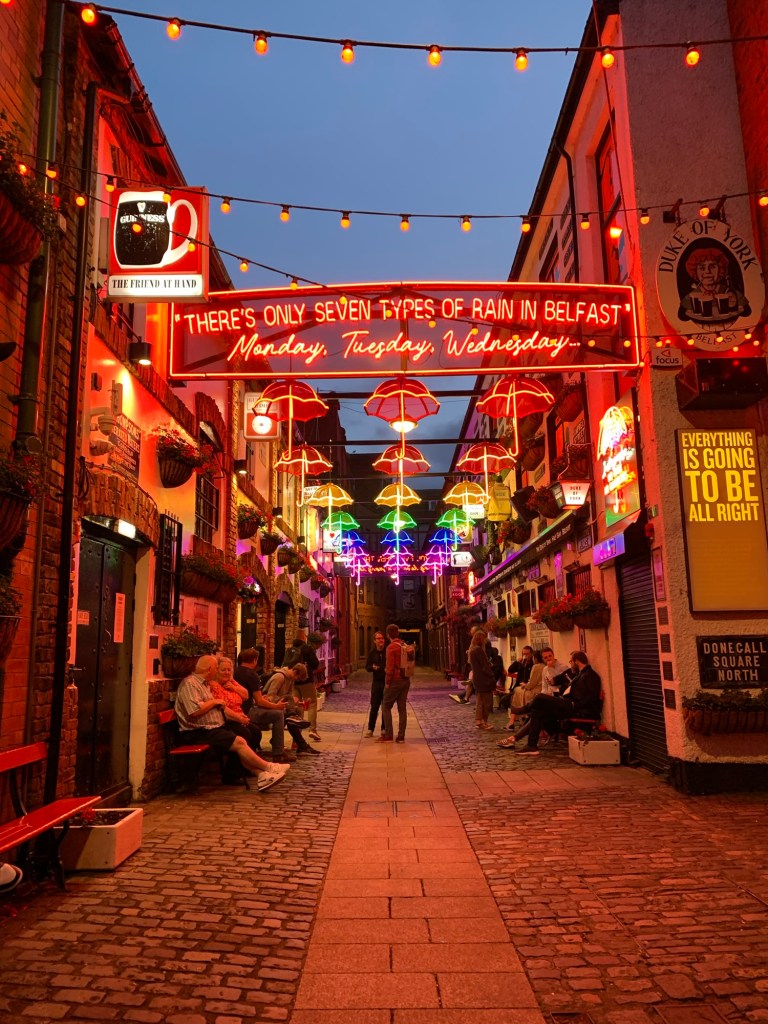
Walking through Belfast, you’ll see everything from historic churches and cozy pubs to bold street murals and sleek new developments, making it very enjoyable to roam around and take in the sights.

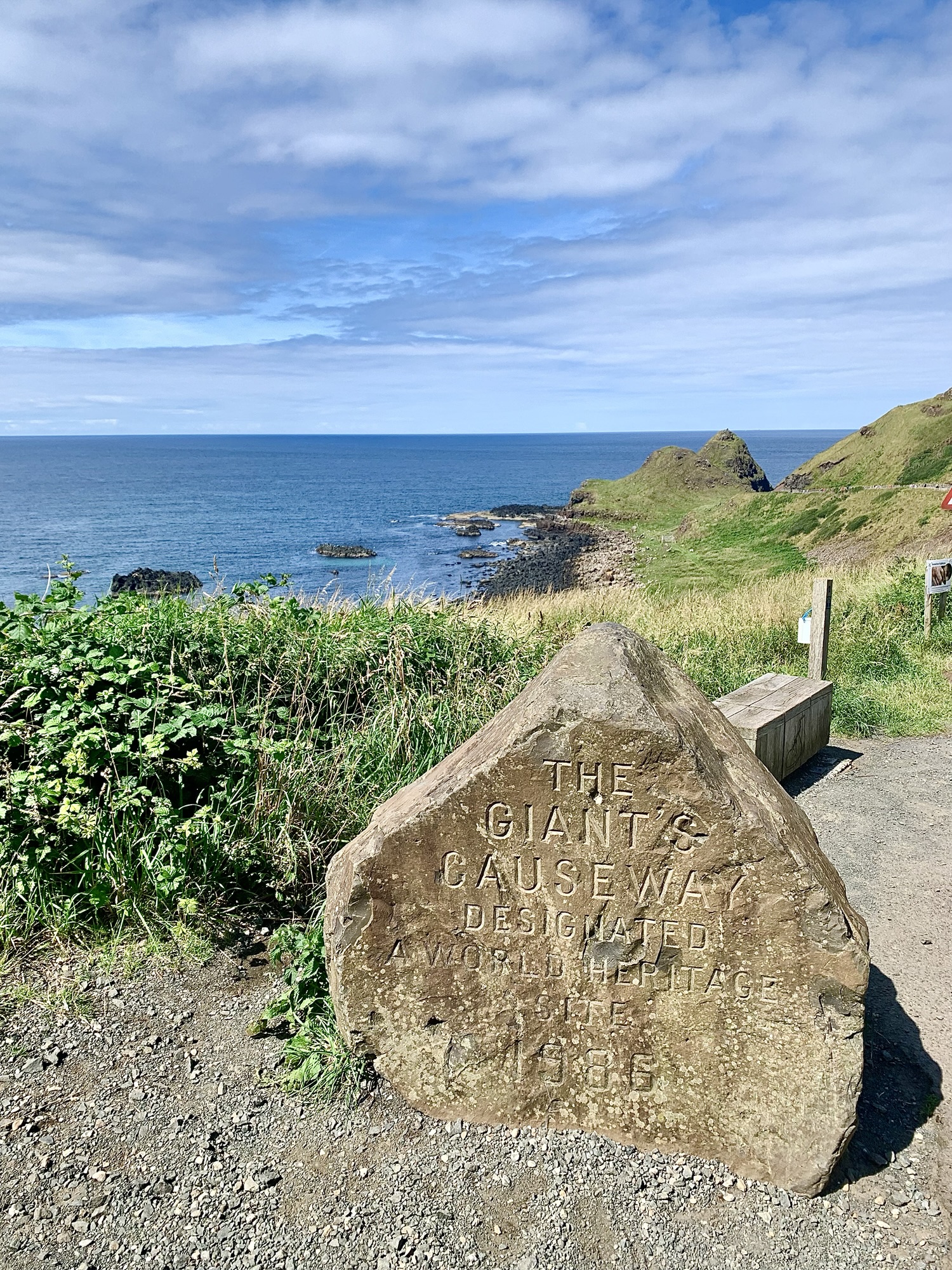
Giants Causeway: Day 2
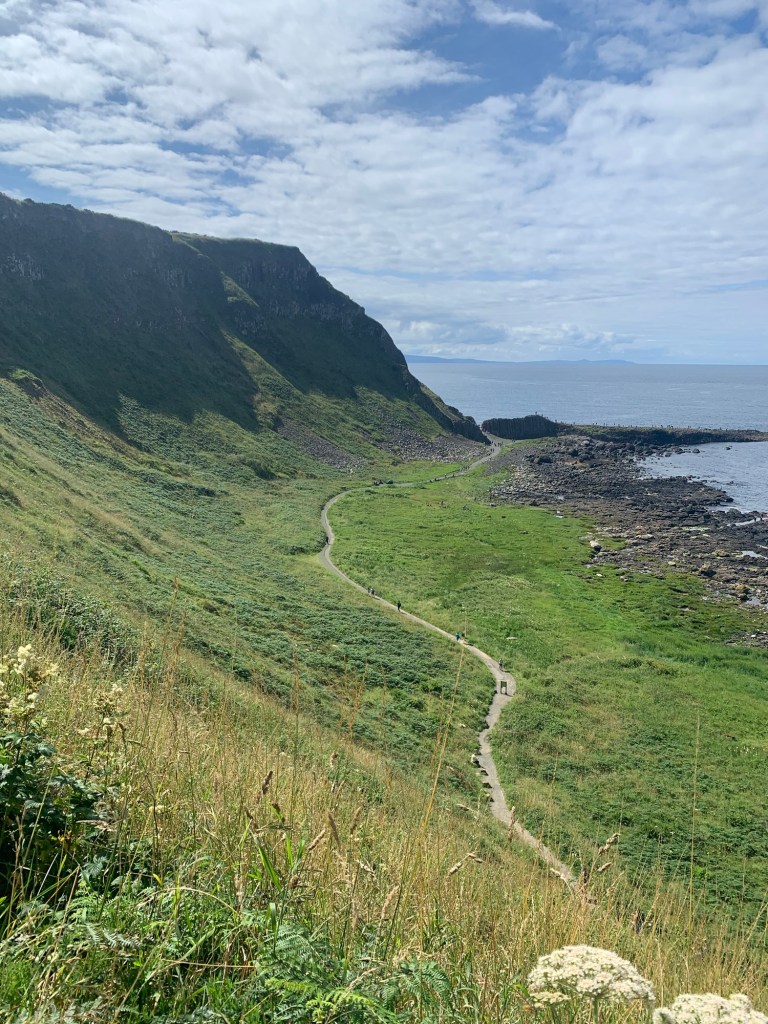
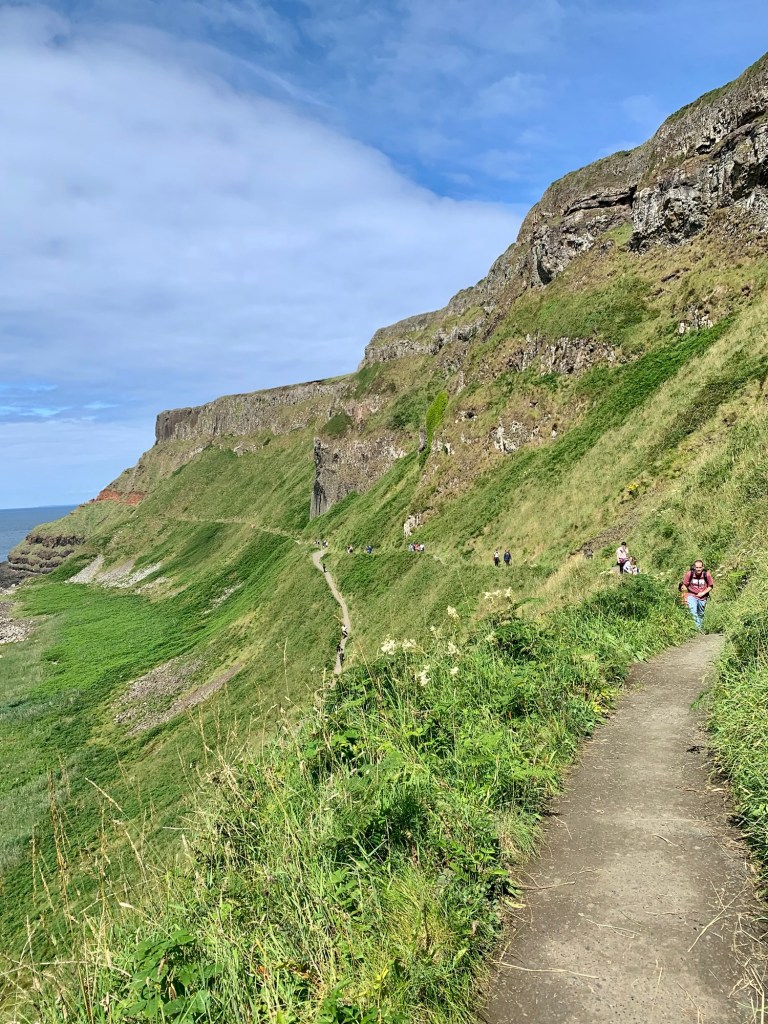
The Giant’s Causeway is one of Northern Ireland’s most iconic natural wonders, located along the stunning Antrim Coast. It’s made up of around 40,000 interlocking basalt columns, formed by volcanic activity over 50 million years ago. What makes it truly special is the way the columns fit together like a puzzle, creating natural steps that lead from the cliffside down into the sea.
You hike through the causeway getting beautiful views of the landscape and the rocks making it feel like a really unique geological experience.

Derry: Day 3
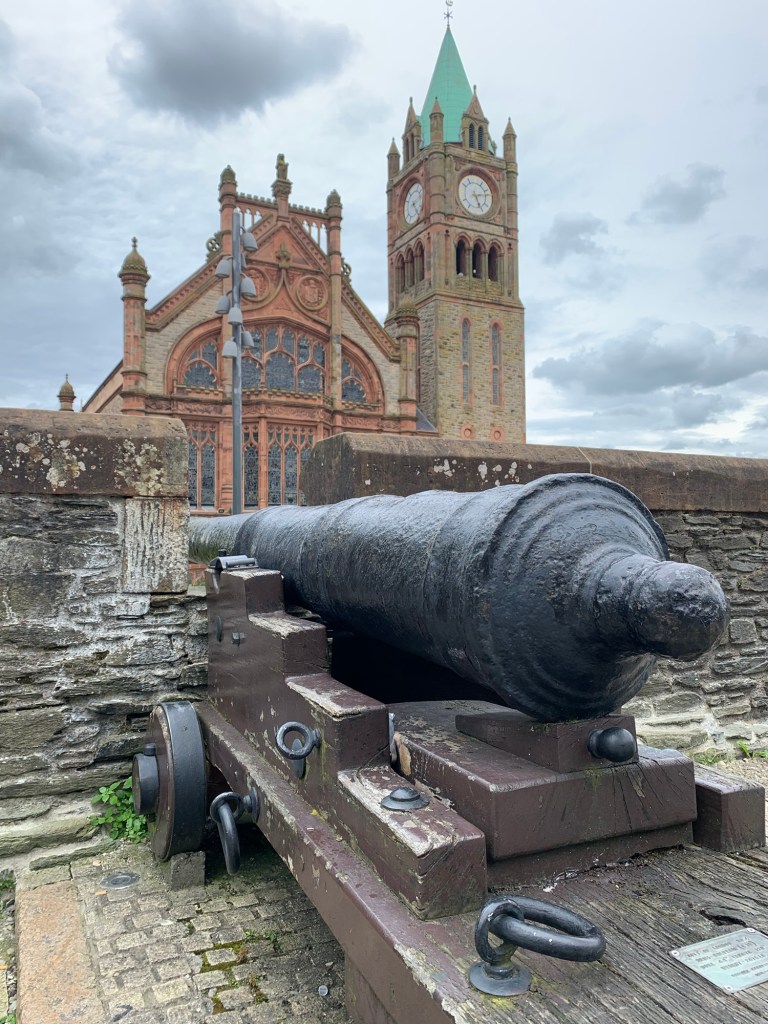
Derry is one of my favourite places I visited in Northern Ireland. The city has a deep, complex history, but also such a strong sense of resilience and identity. Walking its historic city walls, you can feel both the weight of the past and the energy of a younger, creative generation pushing forward.
They were built in the early 1600s when the English crown settled Protestant settlers from England and Scotland on land confiscated from the native Irish Catholic population. The walls were meant to protect the new Protestant settlers from potential uprisings by the displaced Catholic Irish, who strongly opposed the plantation.
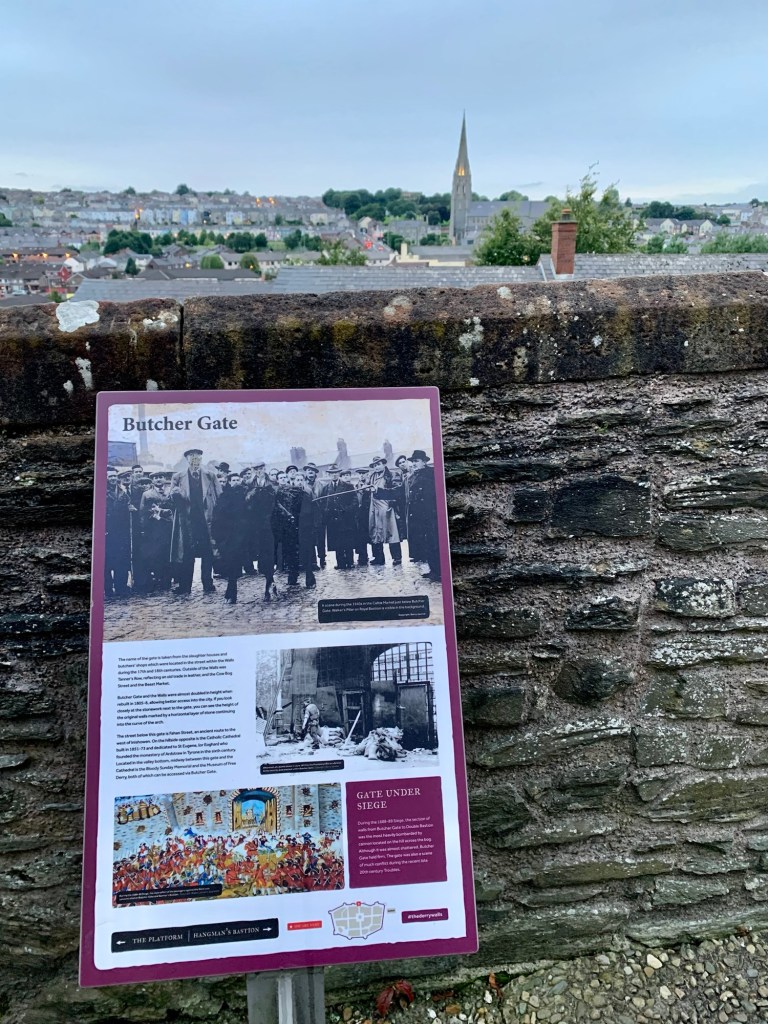

Over time, Catholics faced many restrictions under British rule. They couldn’t vote, own land in some cases, or hold public office. In cities like Derry, this meant limited housing, fewer job opportunities, and little political power, even though Catholics made up a large part of the population. These inequalities laid the groundwork for long-standing tensions that would continue for centuries.
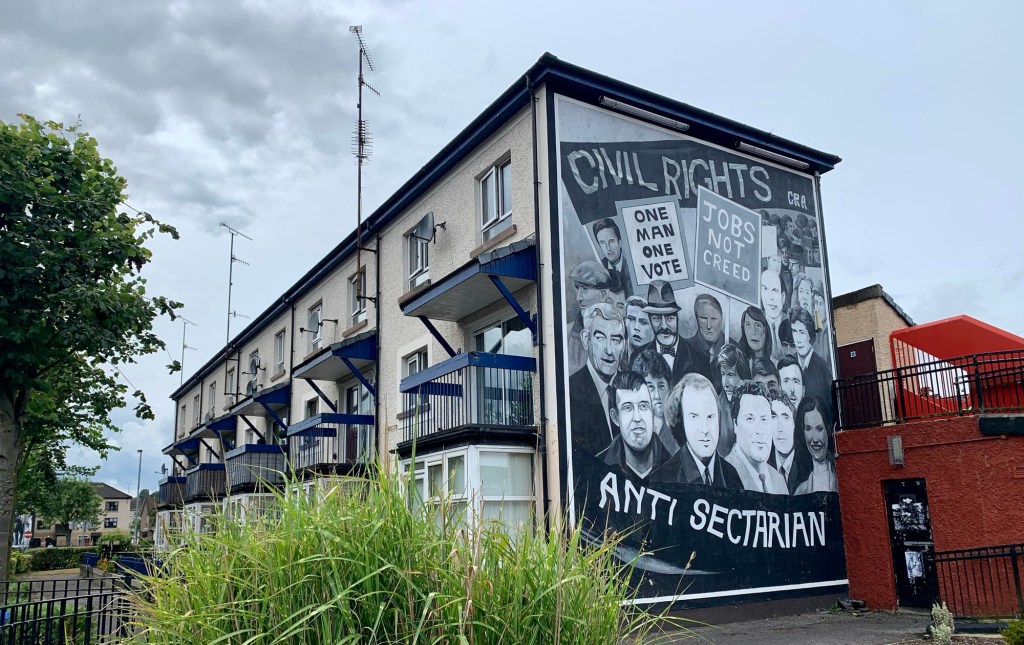
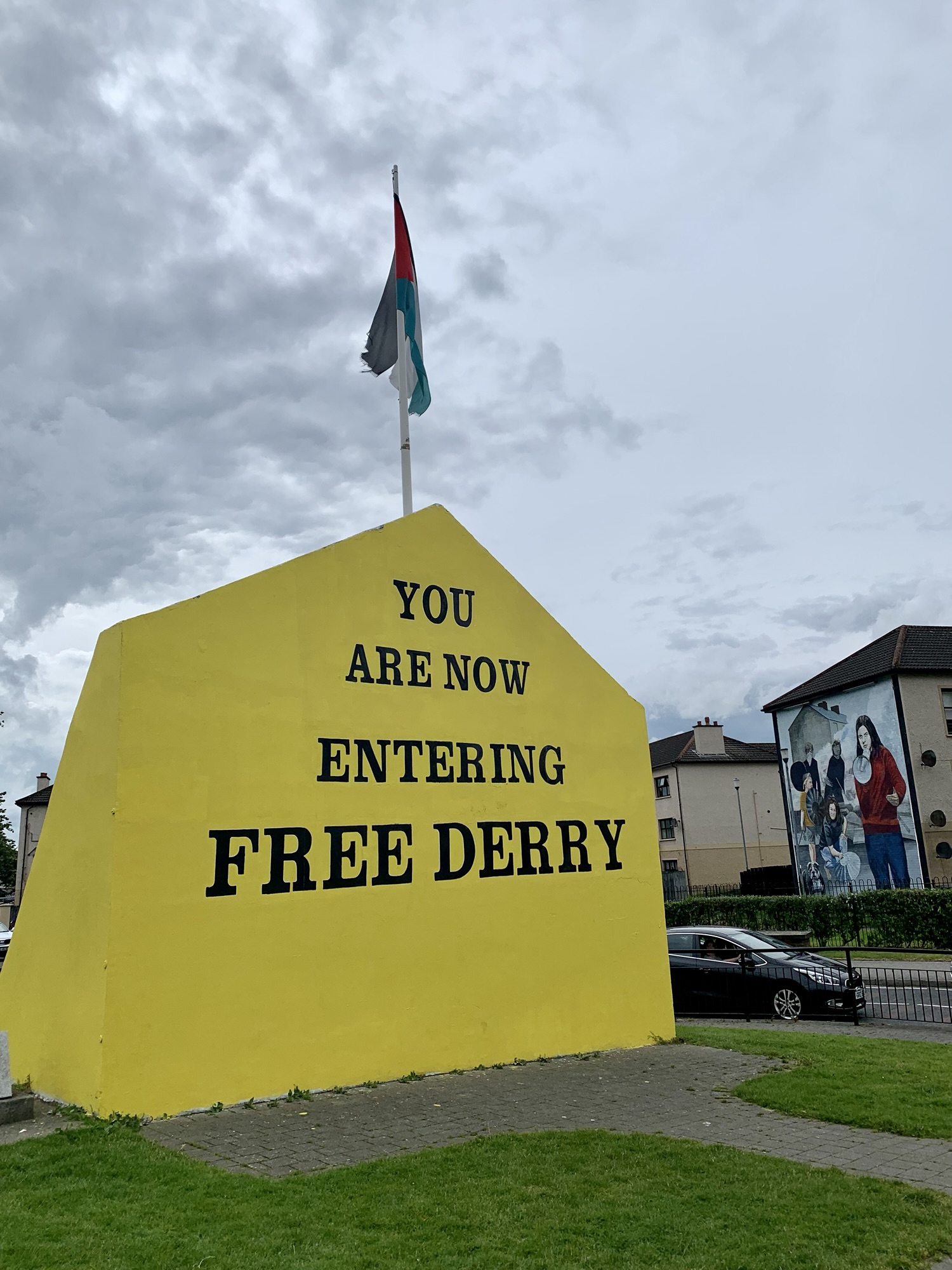
One of the most significant events in Derry’s recent history is Bloody Sunday, which took place on January 30, 1972. During a civil rights march, British soldiers opened fire on unarmed protesters, killing 14 people. The event became a defining moment of the Troubles and is memorialized at the Museum of Free Derry and in powerful murals in the Bogside neighbourhood. Visiting the museum was very powerful and its evident how significant this was to Derry with many of the murals depicting the events.
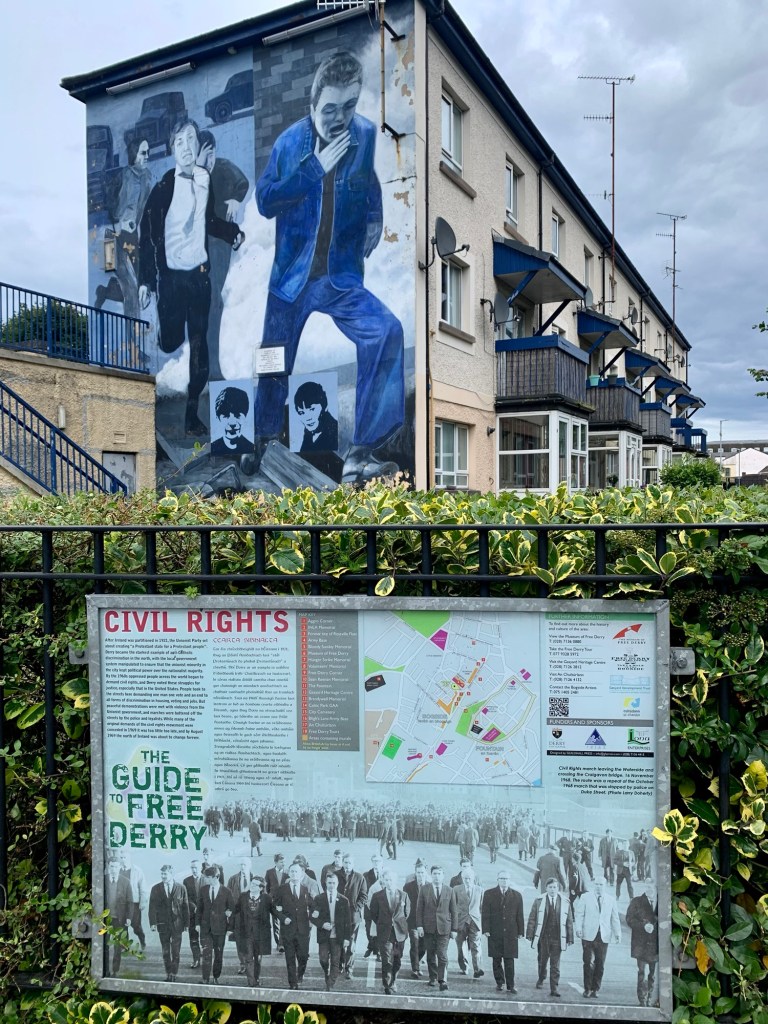
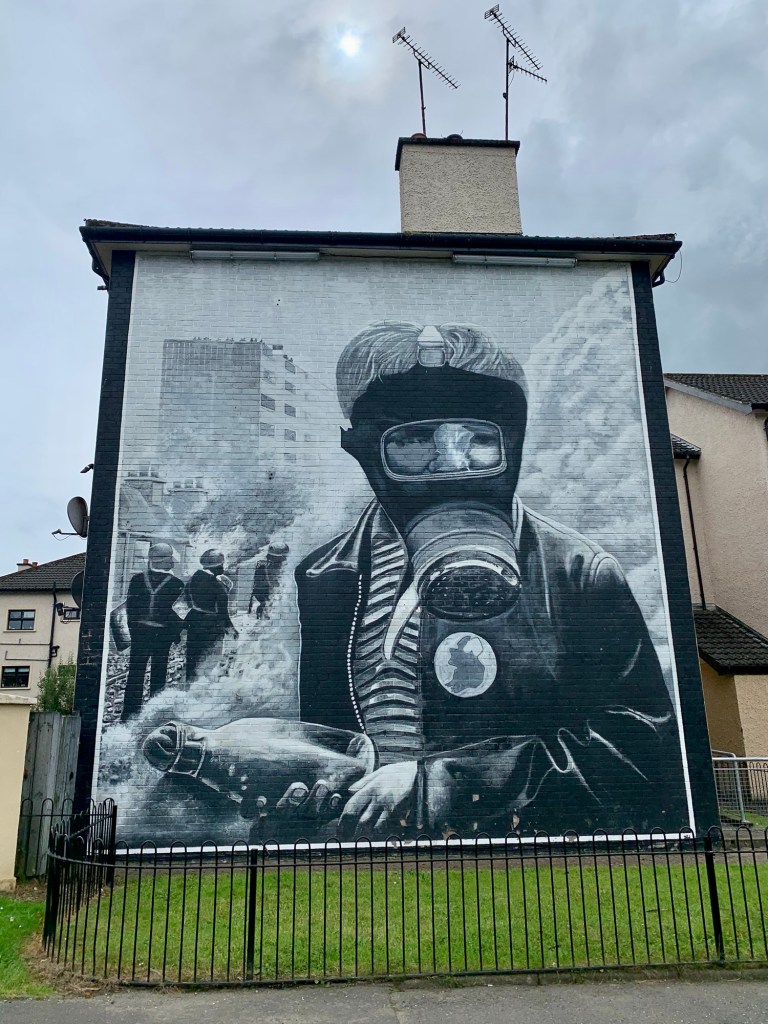
The British Prime Minister officially took responsibility for Bloody Sunday on June 15, 2010. David Cameron addressed the UK Parliament following the release of the Saville Inquiry, a 12-year investigation calling the killings “unjustified and unjustifiable” and issued a formal apology on behalf of the British government
Galway: Day 4-6
I ended up in Galway by chance during the Galway Races, and the whole city was buzzing. I hadn’t planned to be there for the event, but it turned out to be a great surprise—there were crowds dressed to the nines, live music spilling out of every pub, and a kind of festive energy in the air that felt contagious.
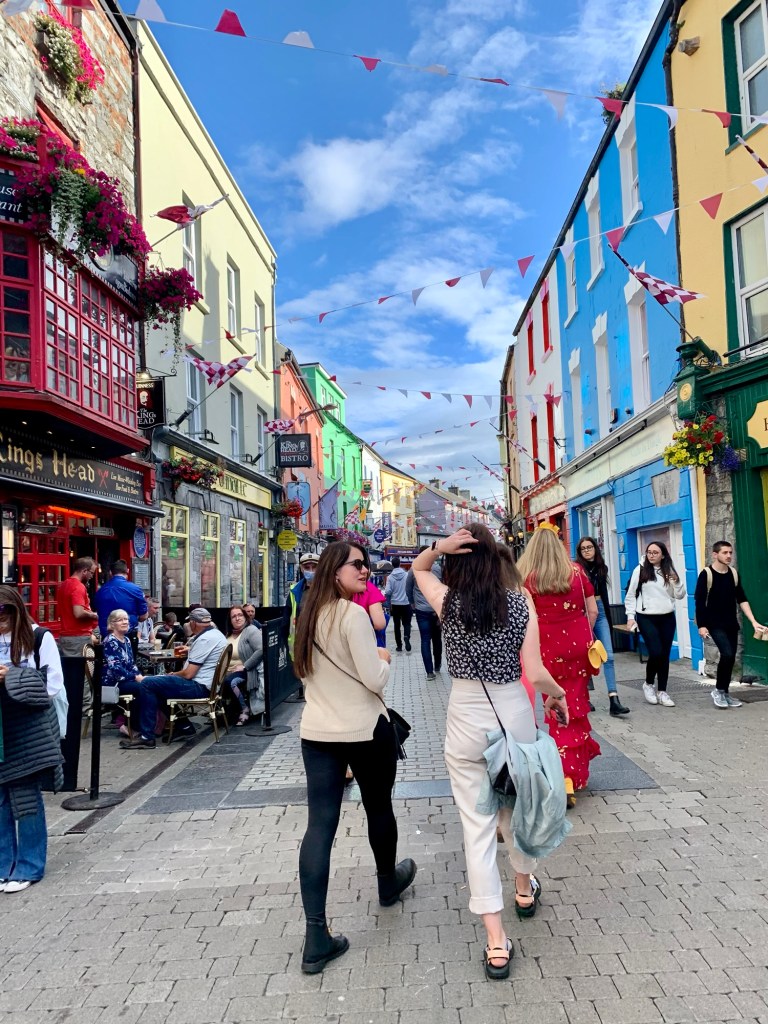

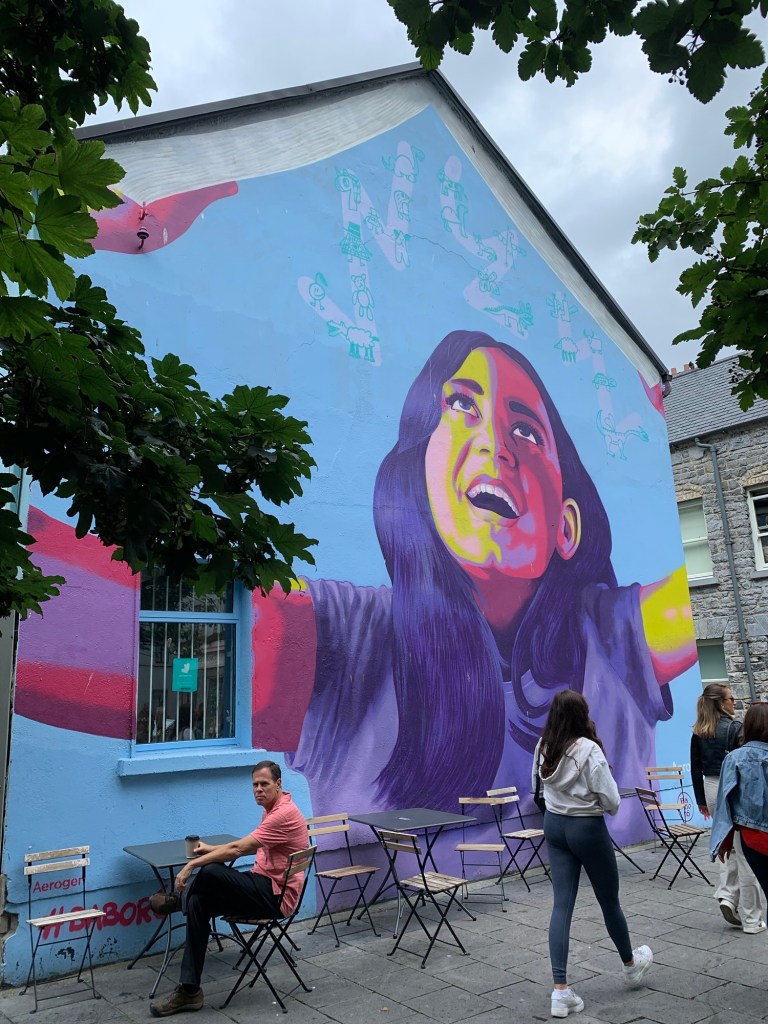
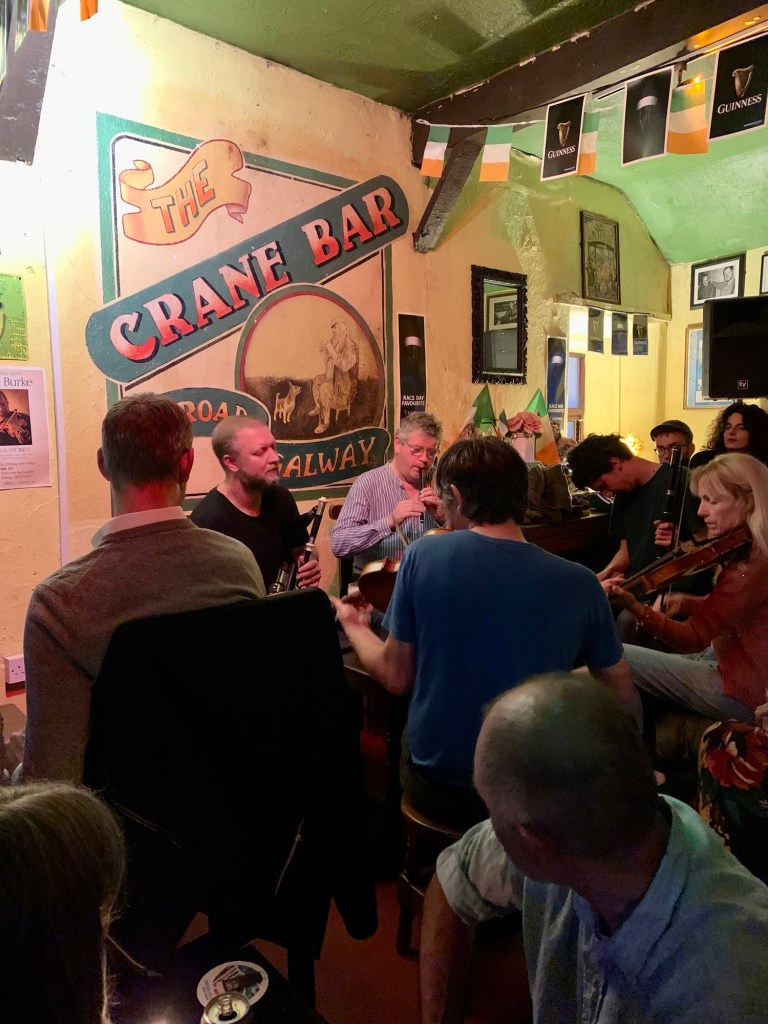
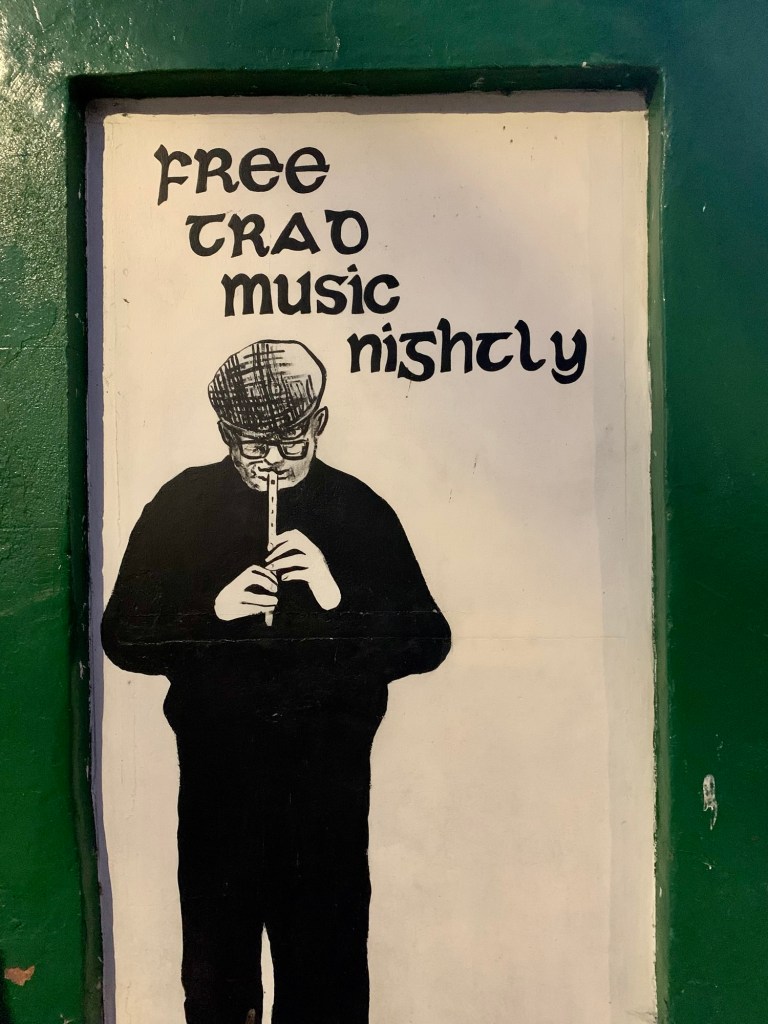
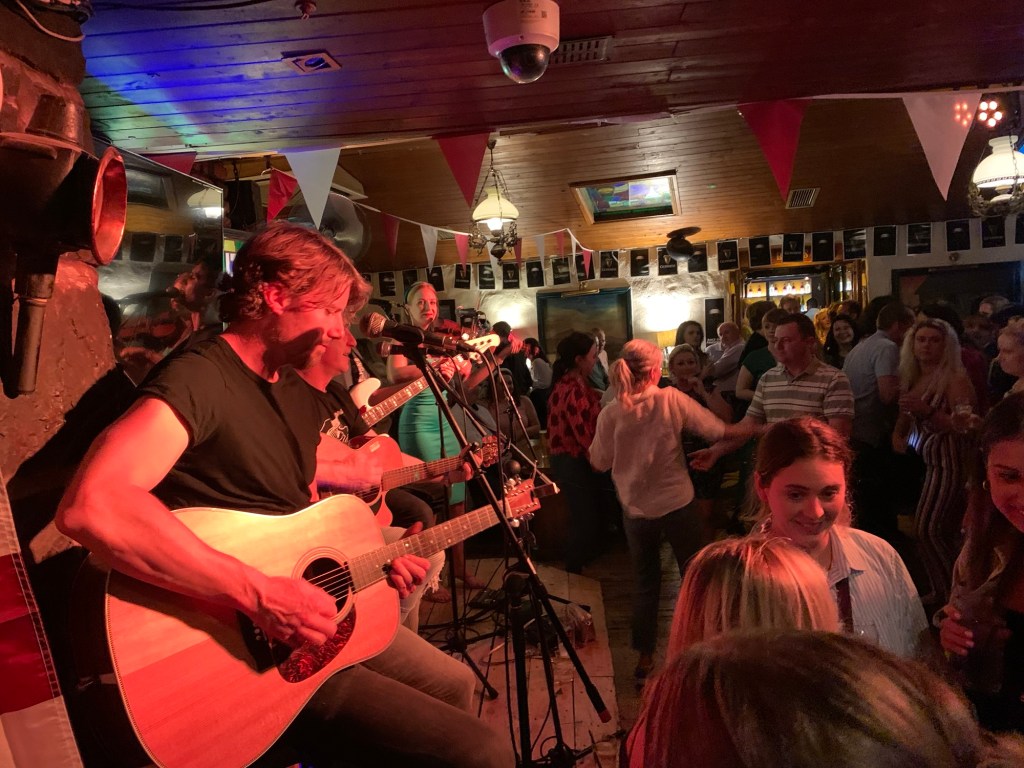
Even without the races, Galway is full of life. The streets are lined with colorful shops and packed with pubs where you’ll almost always hear traditional Irish music, known as trad music, being played live. Whether it’s a fiddle, a flute, or a full band, the music feels like the heartbeat of the city. It’s the kind of place that’s both relaxed and exciting at the same time—easy to explore and hard to leave.
 Nostalgia in Motion
Leave a comment