
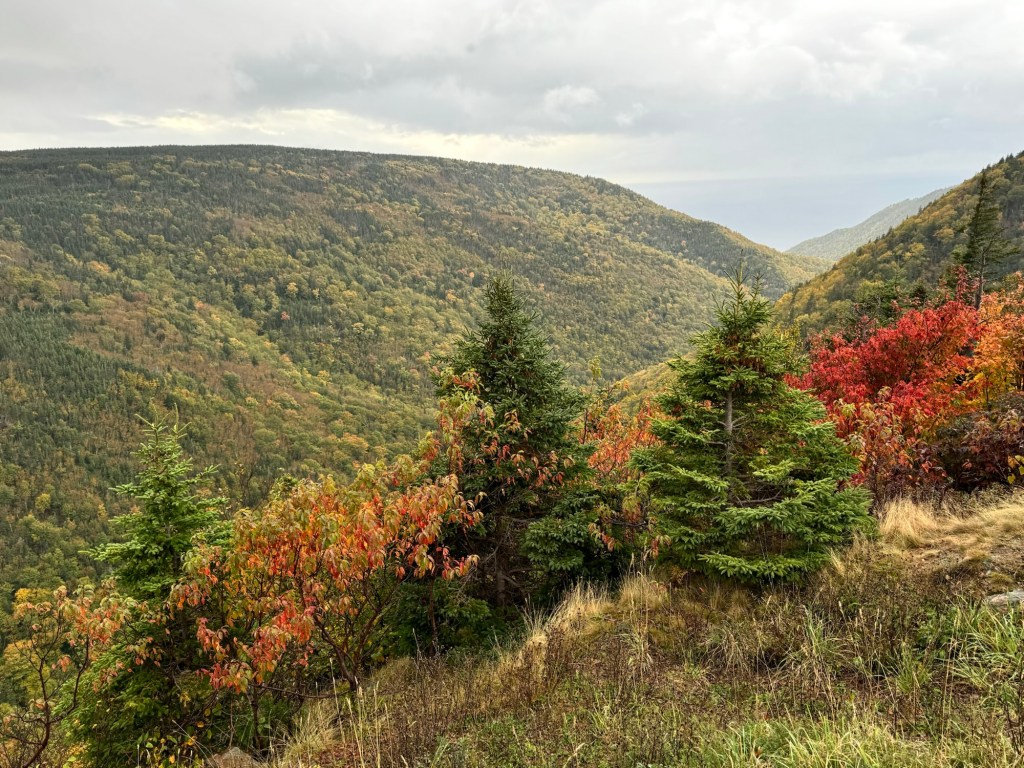
We kicked off our road trip in October 2024 by flying into my hometown just outside Ottawa, then hit the road through the Maritimes to catch all the fall colours. From coastal towns to city capitals and along the Cabot Trail, it was packed with sights and stops getting back just in time for Thanksgiving with the family!

Day 1: Quebec City
Our first stop was Quebec City, where we wandered the charming Old Town with its cobblestone streets and historic buildings. We strolled past the Plains of Abraham, the site of the pivotal 1759 battle between the British and French, and along the scenic boardwalk overlooking the St. Lawrence River, and treated ourselves to a classic beavertail.
We continued our journey until we got to Grand Falls, the mid-point to break up our 13-hour drive to Charlottetown, Prince Edward Island. We spent the night in a small simple motel to pause and stretch our legs and start the next day feeling refreshed and ready for the day’s adventures.

Day 2 – 4: Charlottetown
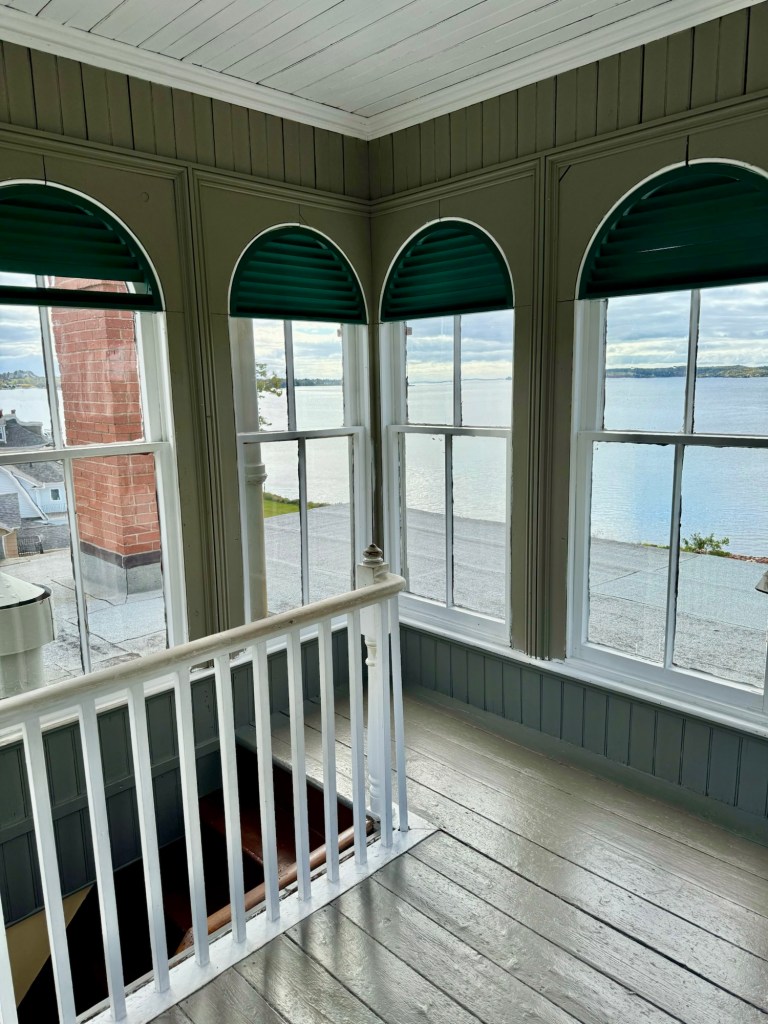
Our first day, we took a tour of the Beaconsfield Historic House, one of Charlottetown’s most impressive examples of Victorian architecture. The house was named after Benjamin Disraeli, the Earl of Beaconsfield, who was a British politician, novelist, and statesman who served twice as Prime Minister of the United Kingdom in the 19th century.
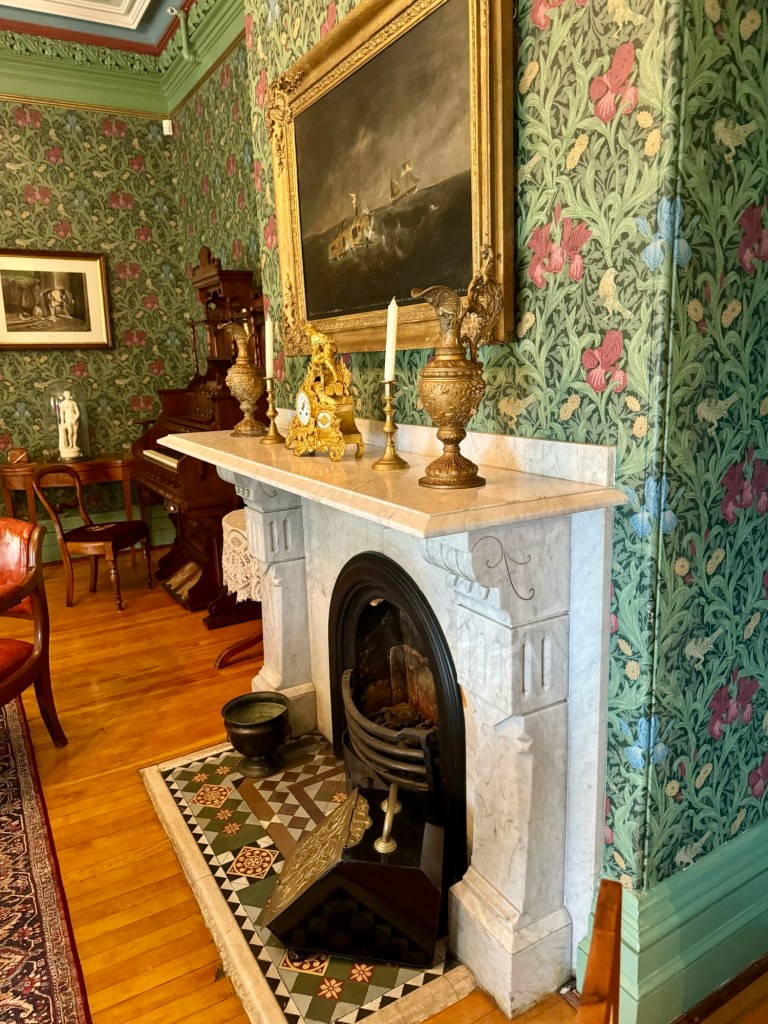
Built in 1877 for James & Edith Peake, a successful shipbuilder and merchant during PEI’s shipbuilding boom, the house was designed by architect W.C. Harris and constructed with some of the finest materials and craftsmanship available at the time. The house featured ornate woodwork, patterned wallpaper, porcelain chandeliers, and richly detailed interiors reflecting the wealth and taste of its original owners.
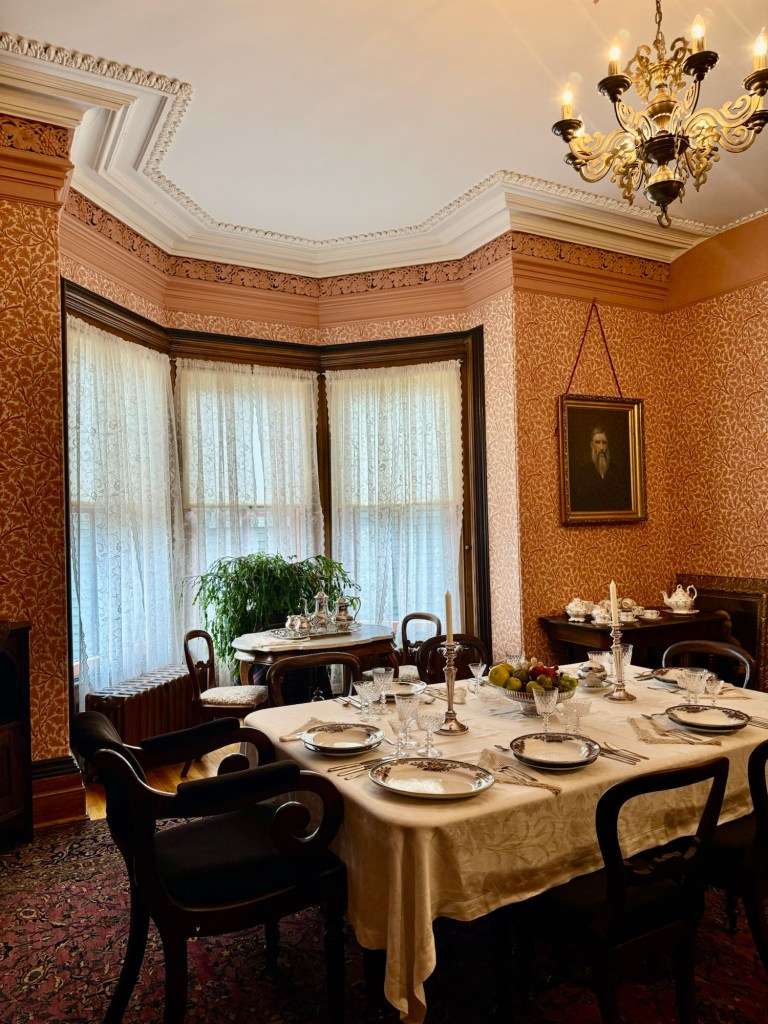

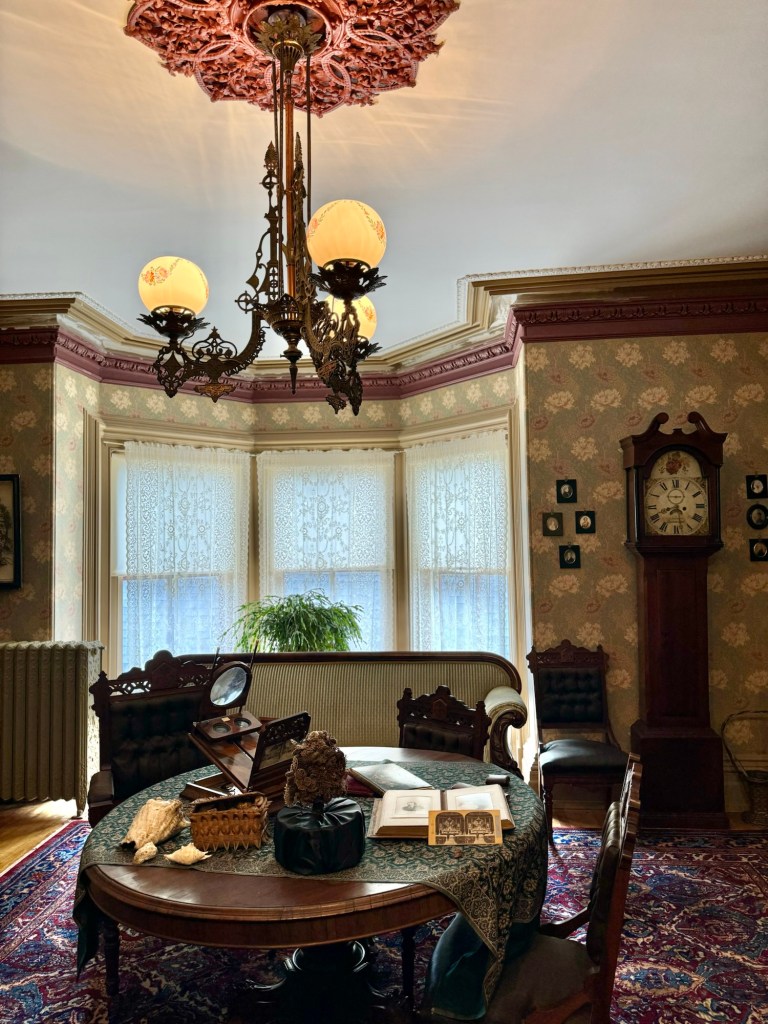
But, the Peake family’s time in the house was short-lived. Soon after moving in, the shipbuilding industry went into decline, and financial losses forced James Peake to declare bankruptcy and sell Beaconsfield in 1882. Afterward, the house passed to new owners, including Henry Cundall and his sisters, and later served as a residence for young women and student nurses, and eventually was restored and transformed into a museum.
As we wandered around downtown Charlottetown, we noticed the streets were full of an unusual amount of colourful, quirky scarecrows, and as it turns out our visit had coincided with the Charlottetown Scarecrow Festival.


Each year in October, the city comes alive with hundreds of handcrafted scarecrows displayed on street corners, along with a bunch of seasonal events. We even ended up spotting a $25 gift card to an arcade and games bar called the Pony Boat Social Club in the shirt pocket of one of the scarecrows.
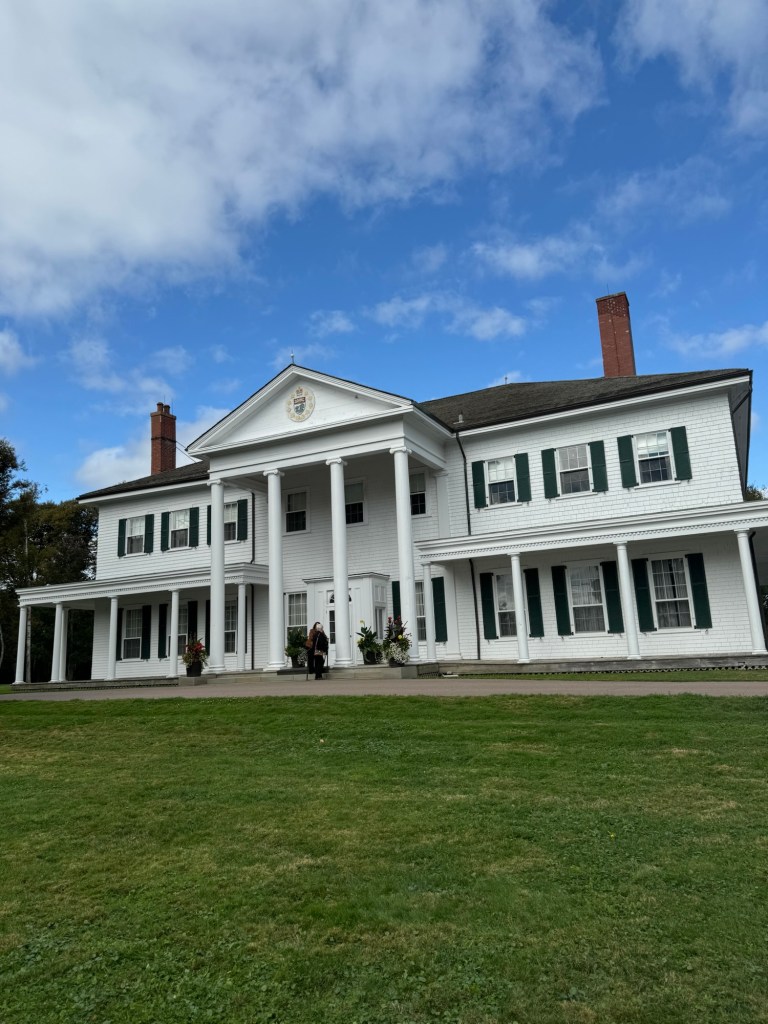
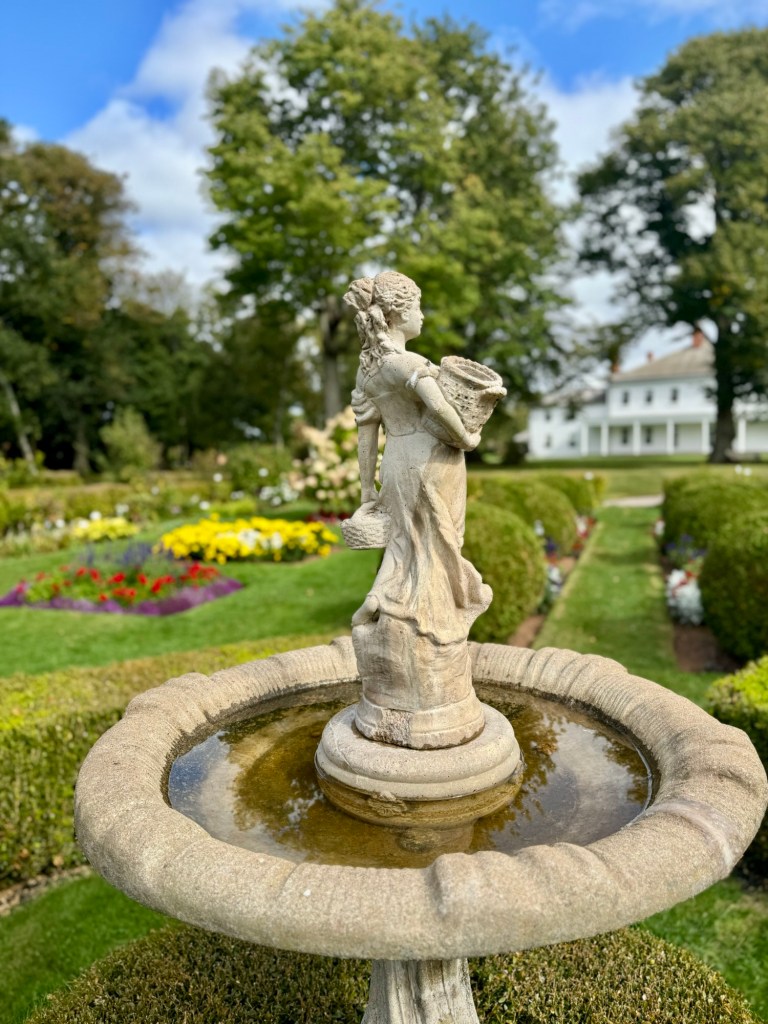
After exploring downtown and the Scarecrow Festival, we stopped by Government House, the official residence of the Lieutenant Governor of Prince Edward Island. Built in 1834 on land set aside in 1789 for a vice-regal home. The property was beautifully maintained with nice tree-lined paths and a beautiful garden we enjoyed out back.

Day 4-5: Broad Cove, NS
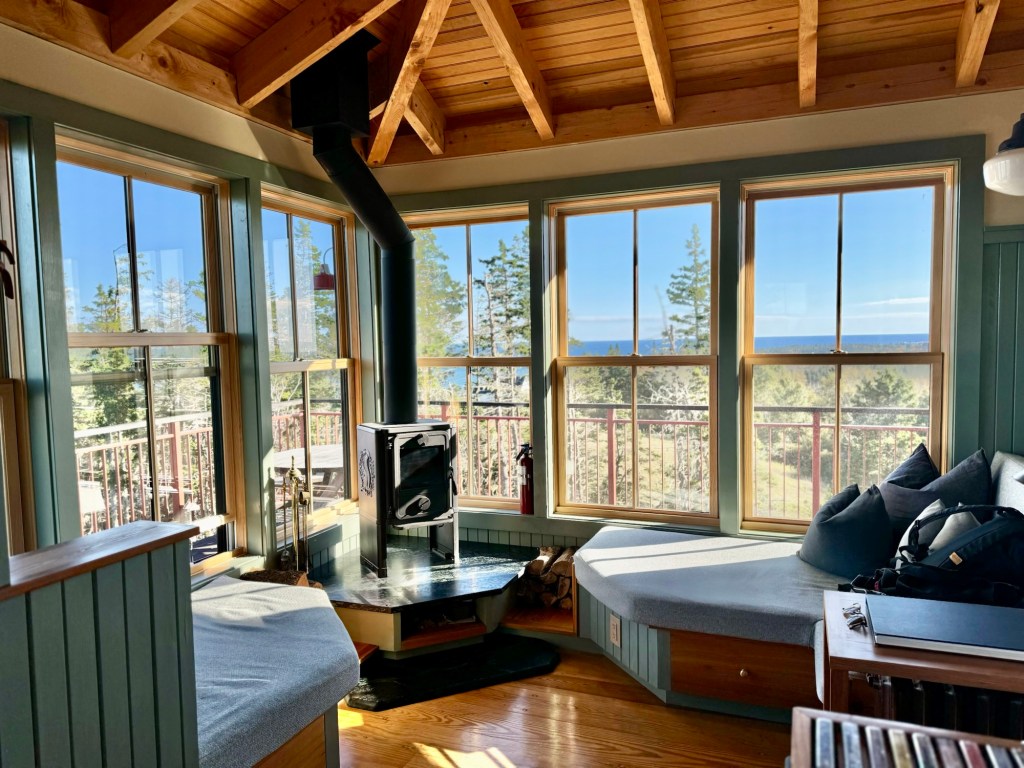
After leaving PEI, we made our way to Nova Scotia, where we spent one night in Broad Cove, a quiet coastal town known for its scenic cliffs, forested trails, and ocean views, which was a perfect spot for a little getaway. Our “Sleep in the Clouds” Airbnb was perched 30 feet above the ground among the trees, with the ocean in the background, and it felt completely magical.
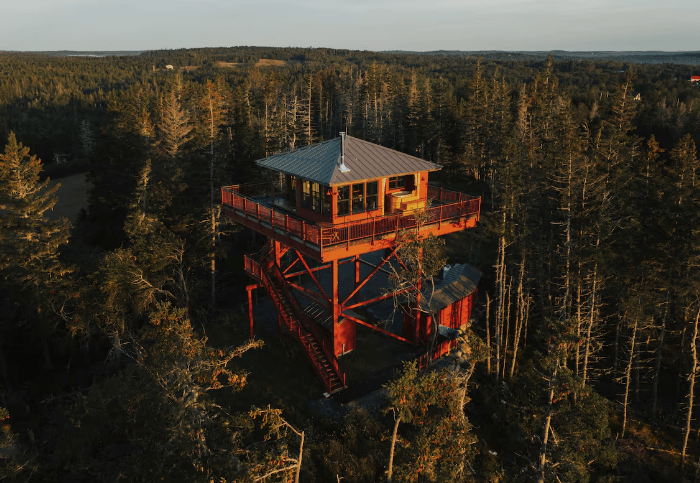
We made the most of our night there and enjoyed charcuterie on the patio at sunset, soaked in the hot tub under a sky full of stars, and woke up to wall-to-wall windows letting in morning light.
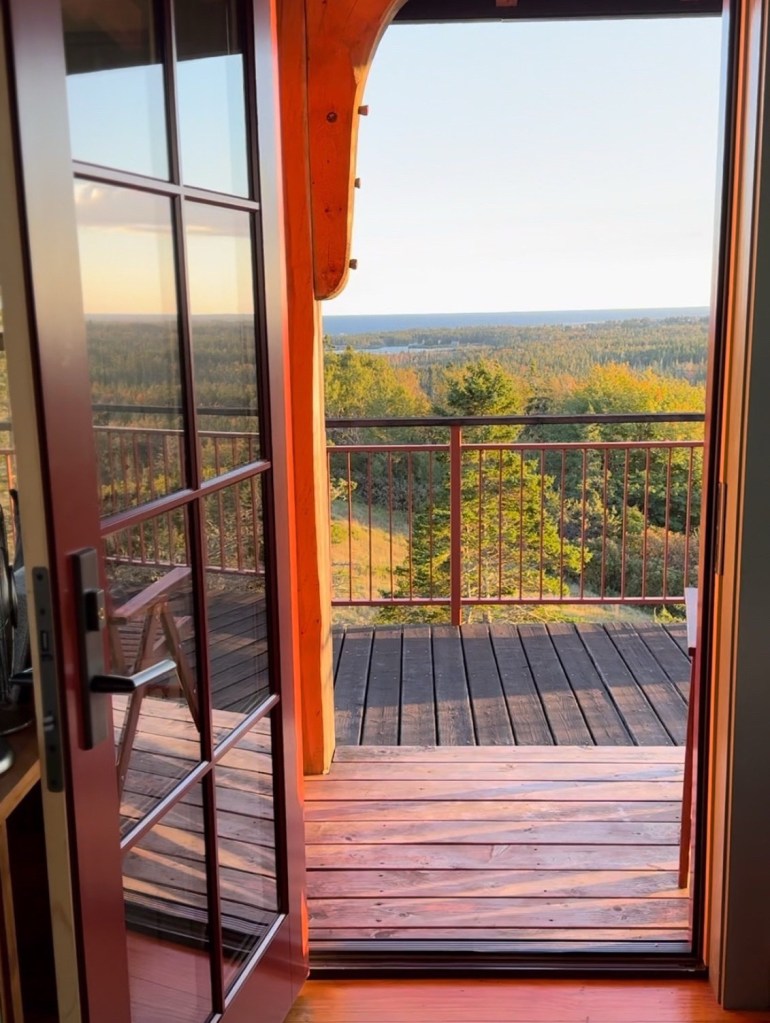

The cozy vibe continued as we spent the day playing board games, making it a perfectly relaxing and memorable escape.
Day 5-7: Halifax, NS
Next, we had the 2-hour drive to Halifax, but decided to make a whole day out of it by making a couple of scenic stops along the way to enjoy some of Nova Scotia’s coastal charm.
Our first stop was in Lunenburg, a charming seaside town on Nova Scotia’s South Shore that feels like stepping back in time. Founded in 1753 as one of Britain’s early colonial settlements in North America, Much of Lunenburg’s original 18th‑ and 19th‑century wooden architecture has been preserved and Old Town Lunenburg is designated a UNESCO World Heritage Site, one of only a handful of urban places in North America with that distinction.
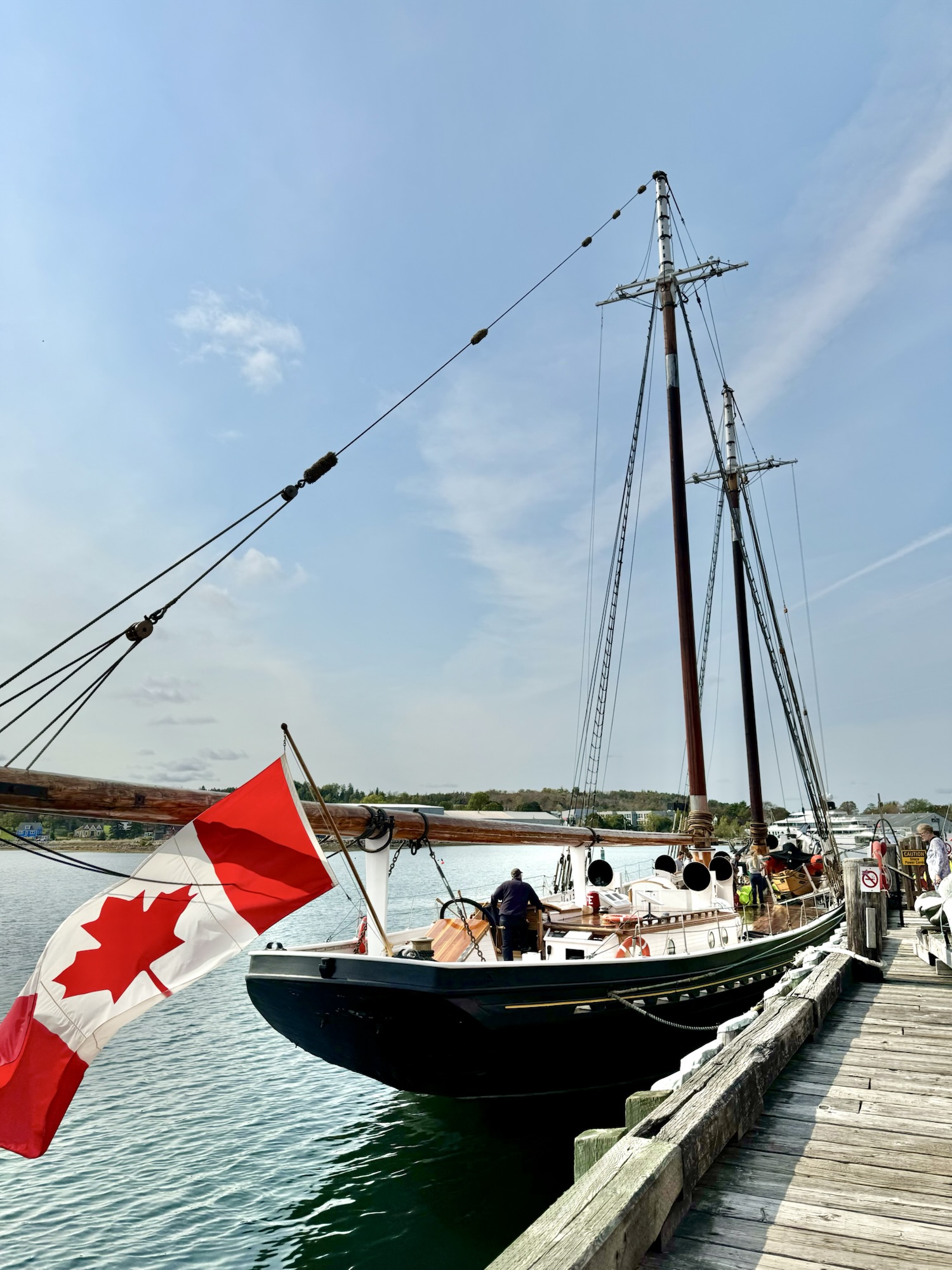
Down by the harbour in Lunenburg you’ll spot the Bluenose II, a replica of one of Canada’s most famous sailing ships. Originally launched in 1963 it was built in the same shipyard as the legendary original Bluenose, which is depicted on the Canadian dime. This classic wooden schooner serves as living symbol of Lunenburg’s maritime heritage.
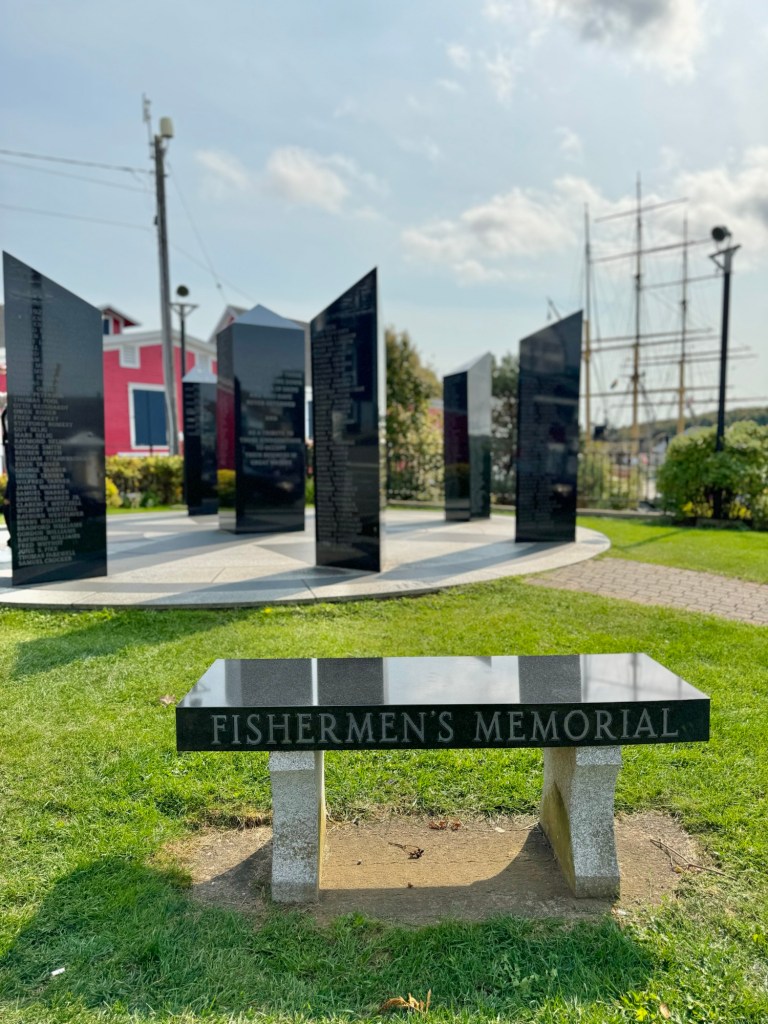
As we walked along the waterfront, we also came across the Fishermen’s Memorial, a striking tribute to the many mariners who lost their lives at sea. The monument, shaped like a compass rose with black granite columns, is inscribed with the names of fishermen from Lunenburg County who never returned, honoring both their courage and the risks of making a living on the water.

As we continued exploring Lunenburg, the town itself was full of murals and decorated walls along the streets, along with beautiful interesting architecture and tons of local shops that gave the town its unique charm. Lunenburg is built on a gentle hill, so the top of town sits above the harbour, with plenty of restaurants, bars, and patios where you can take a break and enjoy charming views of the waterfront and its colourful fishing boats.
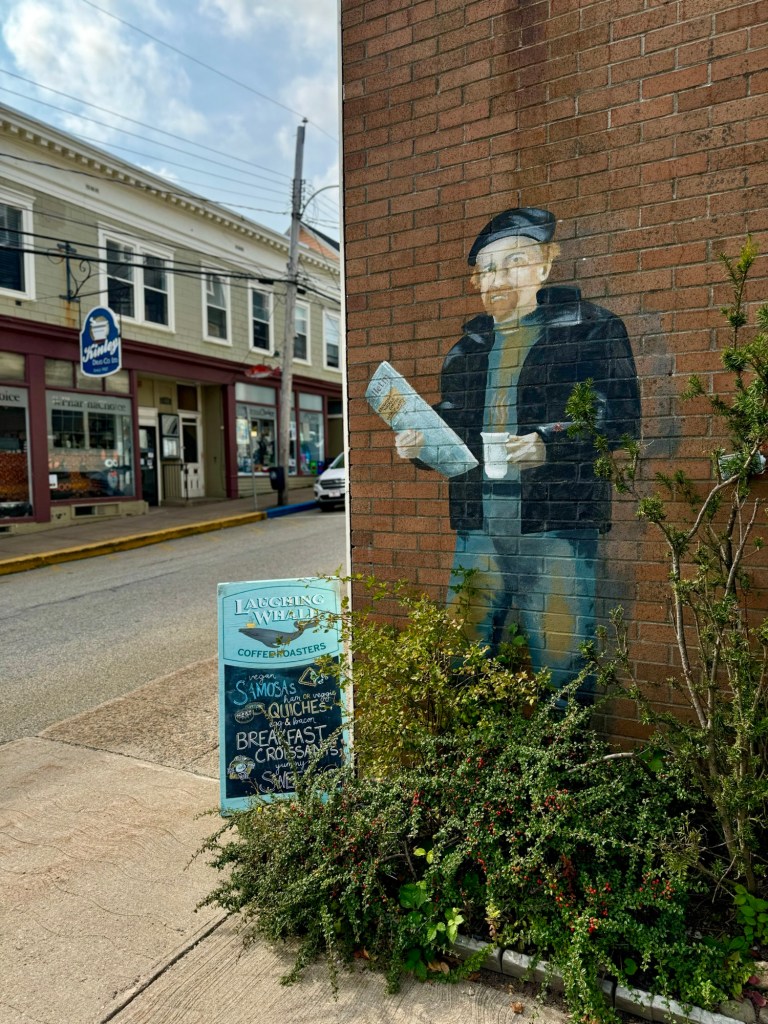
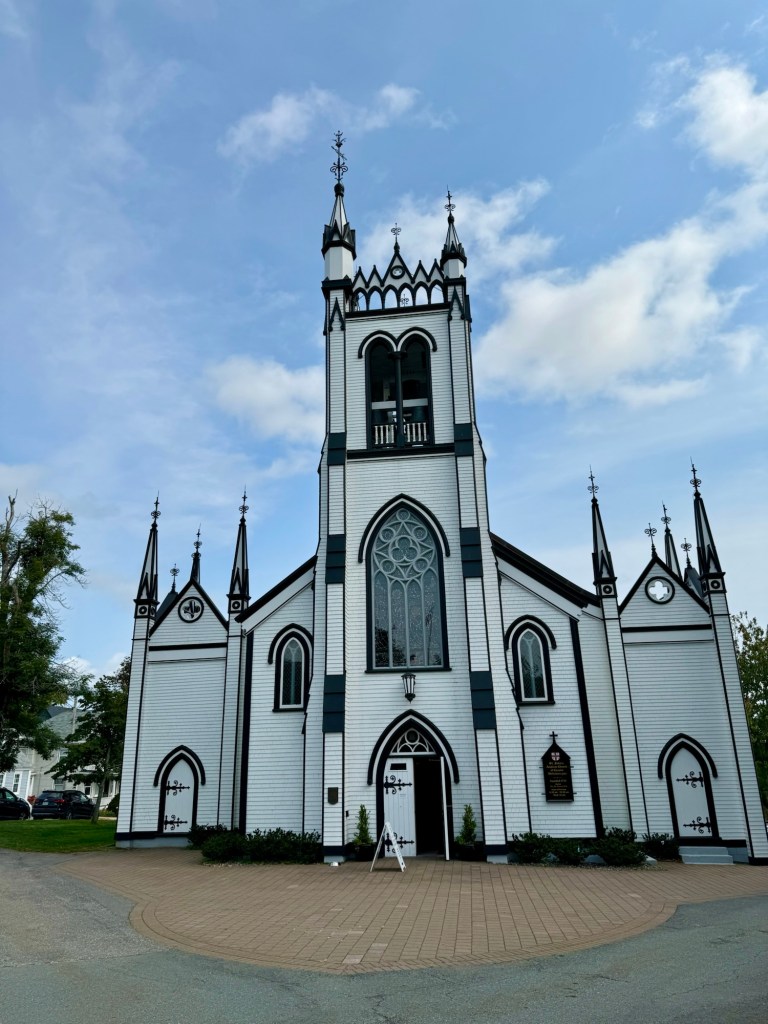
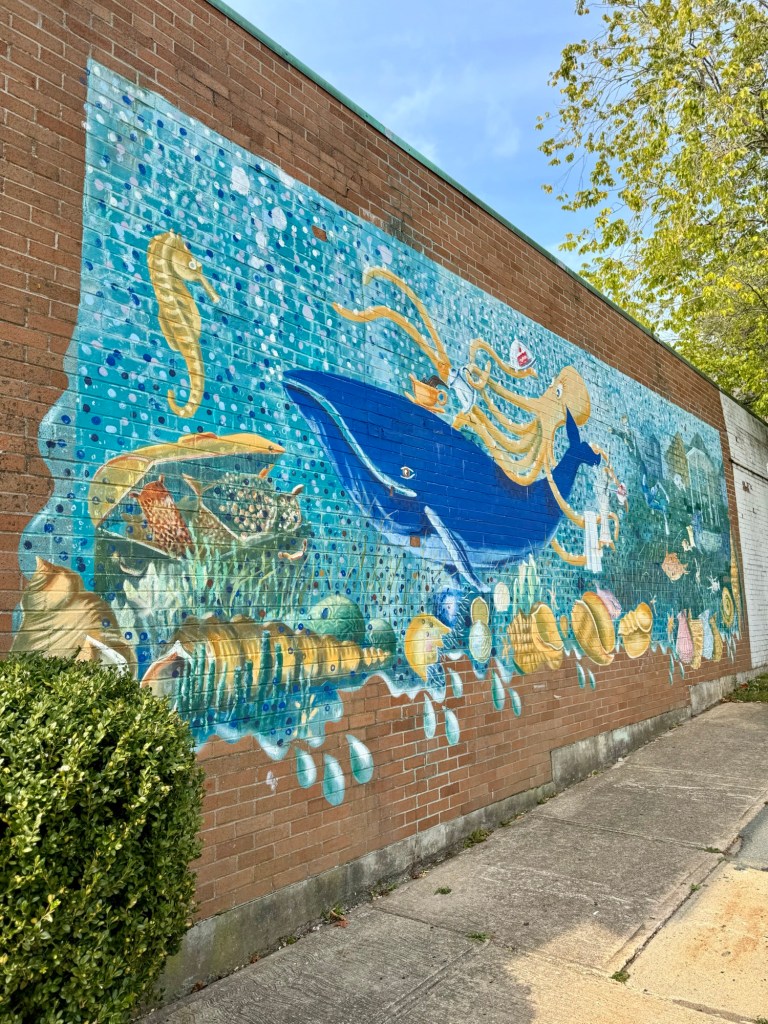
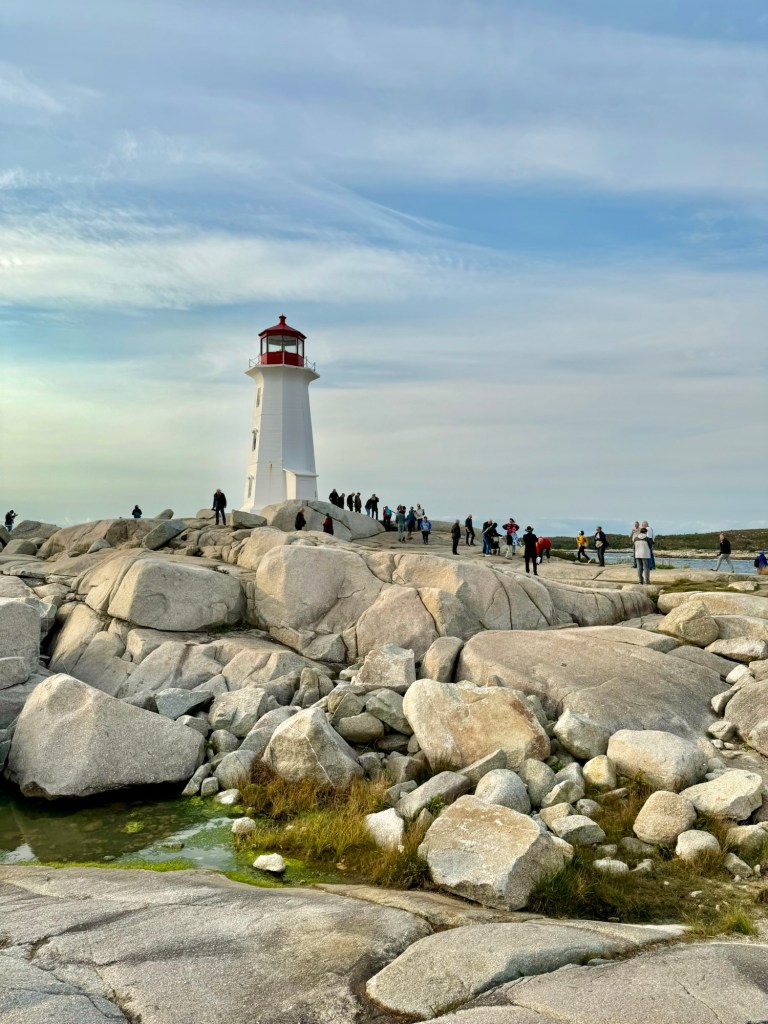
Next, we headed to Peggy’s Cove, one of Nova Scotia’s most recognizable coastal spots. The village sits on some of the oldest exposed rock in the world with its dramatic coastline. The classic red-and-white lighthouse was built in 1914 to guide ships safely through the often-treacherous Atlantic waters and is a popular spots for people to visit. We took a few fun photos on the rocks, soaking in the dramatic scenery, before continuing on to Halifax.
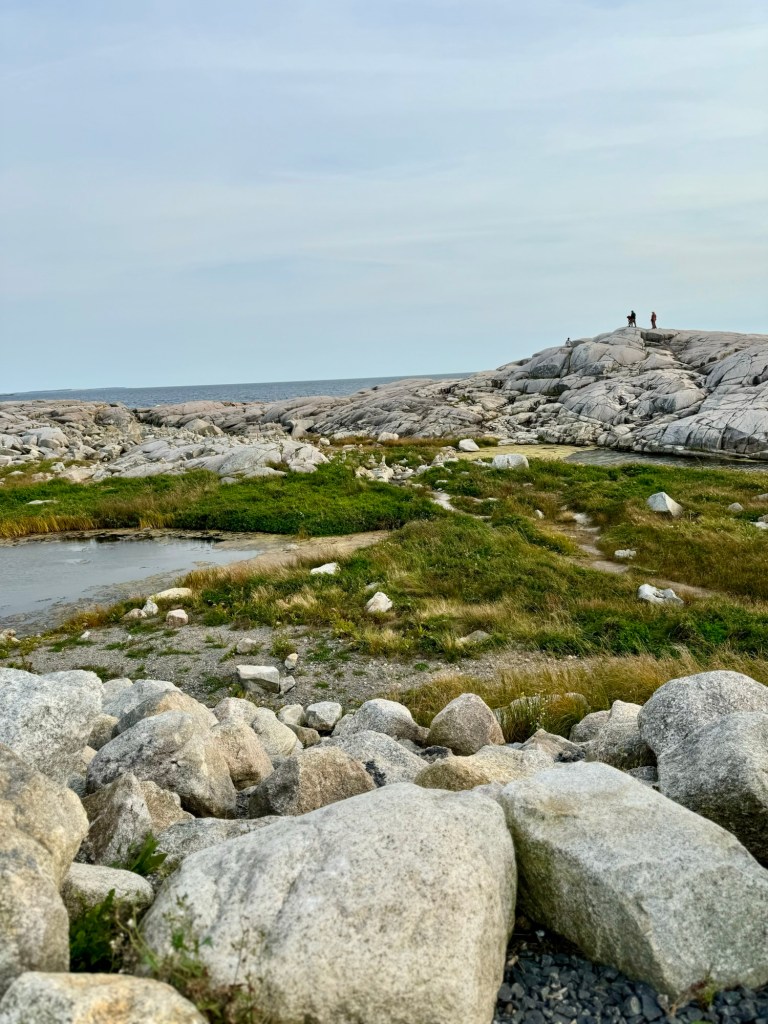
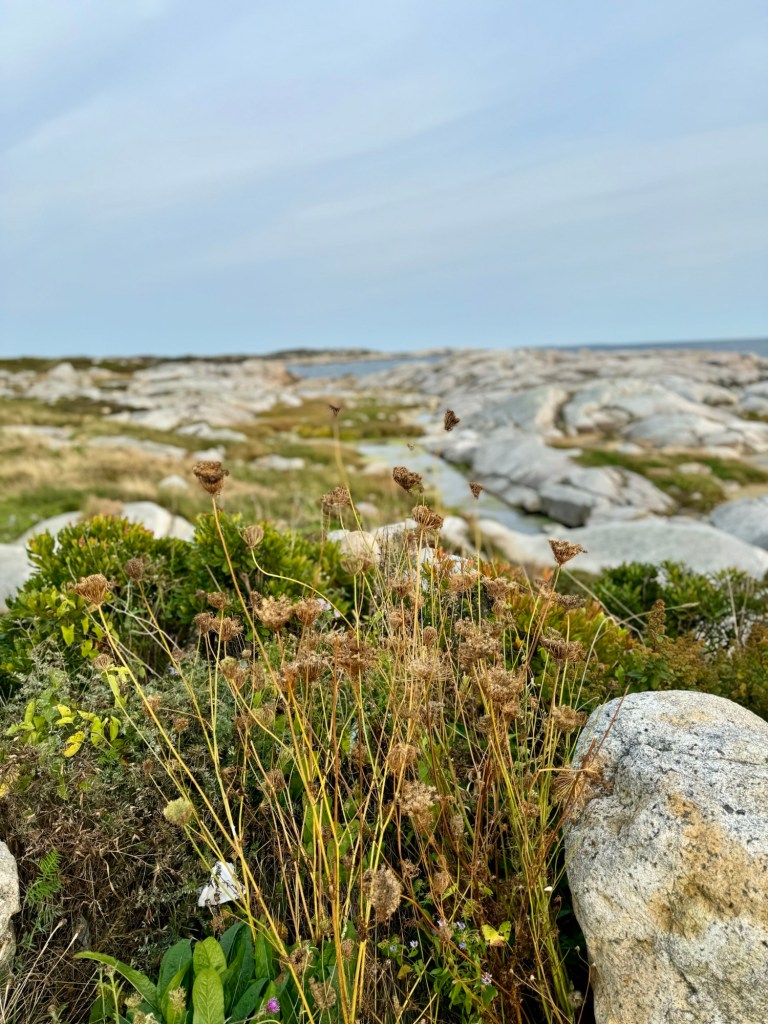
It’s also worth noting that the Swissair Flight 111 Memorial is located just outside Peggy’s Cove. The memorial marks the area near where the plane tragically crashed in 1998 on its way from New York to Geneva, killing all 229 passengers and crew on board.
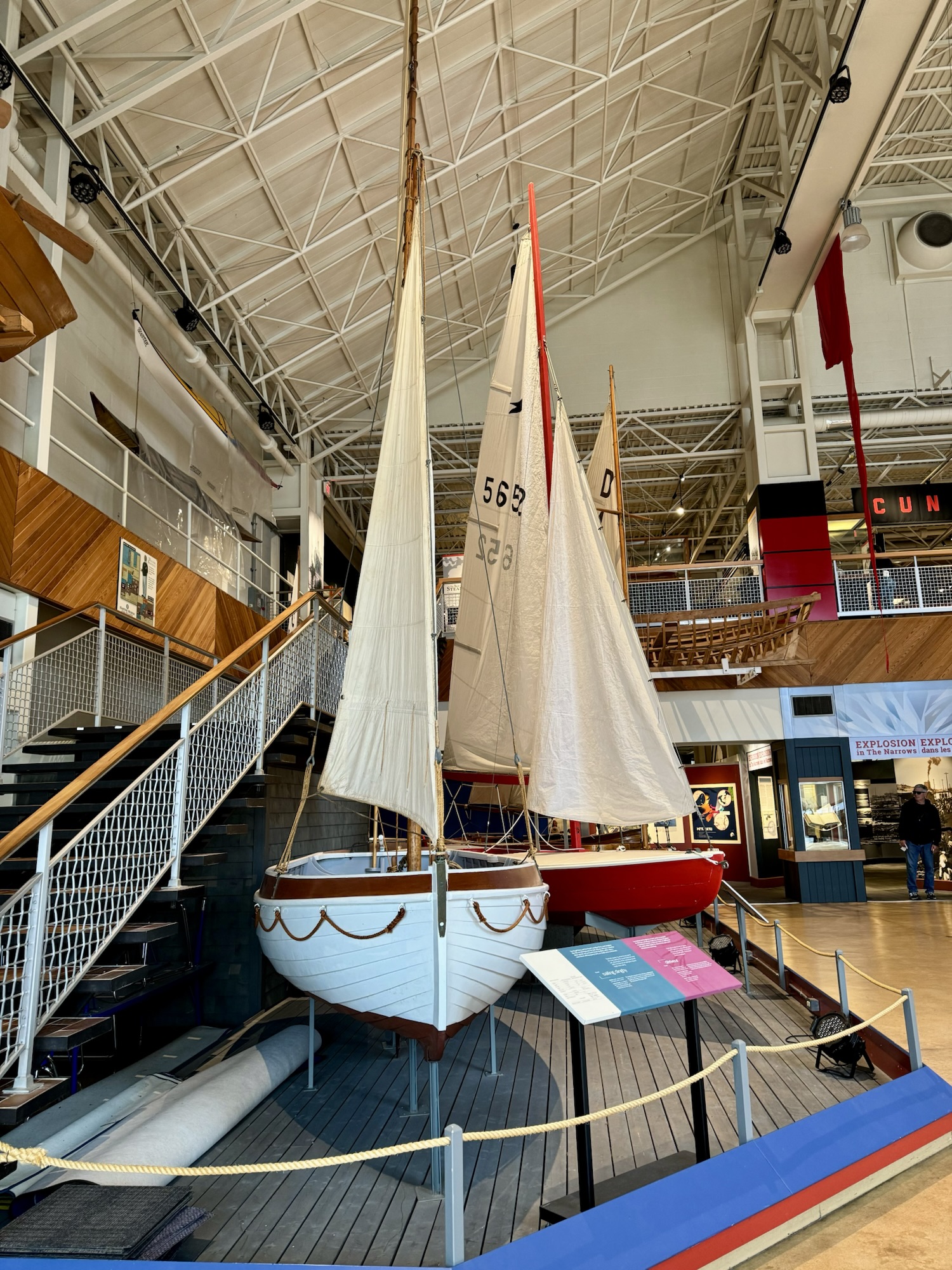
In Halifax, we visited the Maritime Museum of the Atlantic, a really fascinating museum dedicated to Nova Scotia’s maritime history. The museum’s exhibits cover the province’s fishing and shipbuilding history, its naval heritage, shipwrecks, and maritime trade. Filled with replicas of historic vessels, you can spend tons of time looking at life-sized and miniature models of a variety of ships.
Two particular highlights from the museum are the Titanic exhibit, as well as displays on the Halifax Explosion:
- Halifax played a key role after the Titanic sank in 1912 because it was the closest major port to the disaster. Ships from Halifax were sent to recover victims and wreckage from the North Atlantic, and many of those who were never claimed were buried in local cemeteries. The city’s involvement made it an important site in the aftermath of the tragedy and shaped its maritime history.
- Halifax is also known for the Halifax Explosion of 1917, one of the largest non-nuclear explosions in history. When a munitions ship collided in the harbour, it devastated much of the city, killed nearly 2,000 people, and injured thousands more. The disaster had a profound impact on Halifax, shaping its history, rebuilding efforts, and emergency response systems.
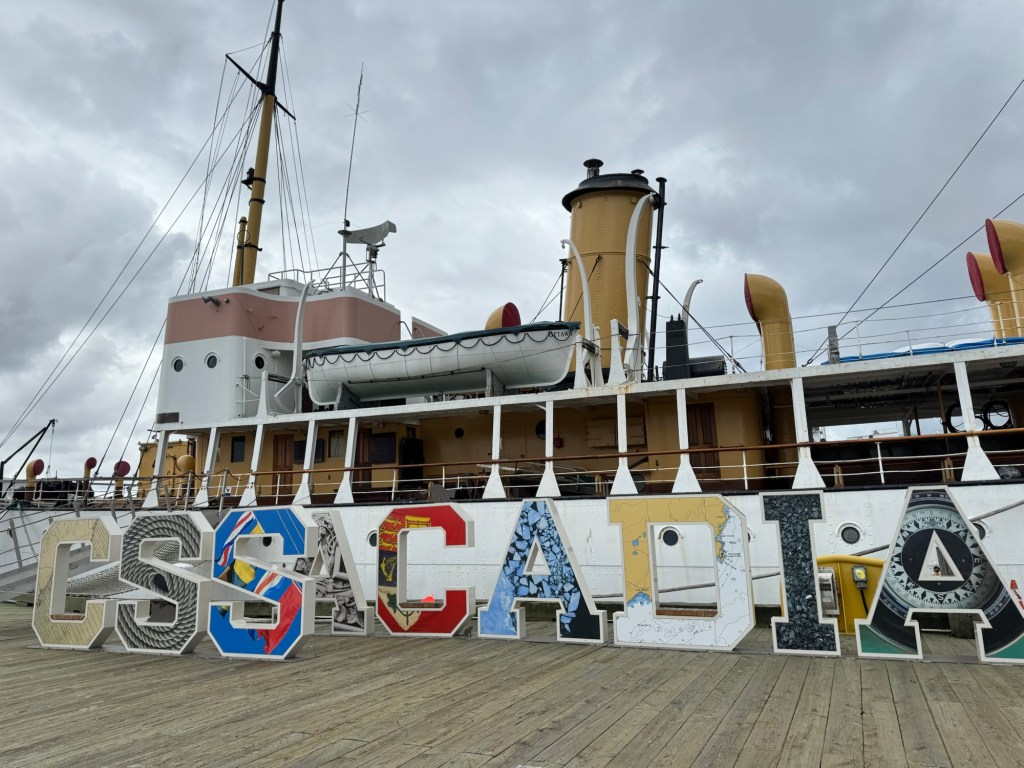
Right outside, we also toured the CSS Acadia, a nearly 110‑year‑old steam‑powered ship that’s now part of the museum’s collection. Launched in 1913, Acadia spent decades charting Canada’s coastal waters, served with the Royal Canadian Navy in both World Wars, and is the only vessel still afloat today that survived the 1917 Halifax Explosion.
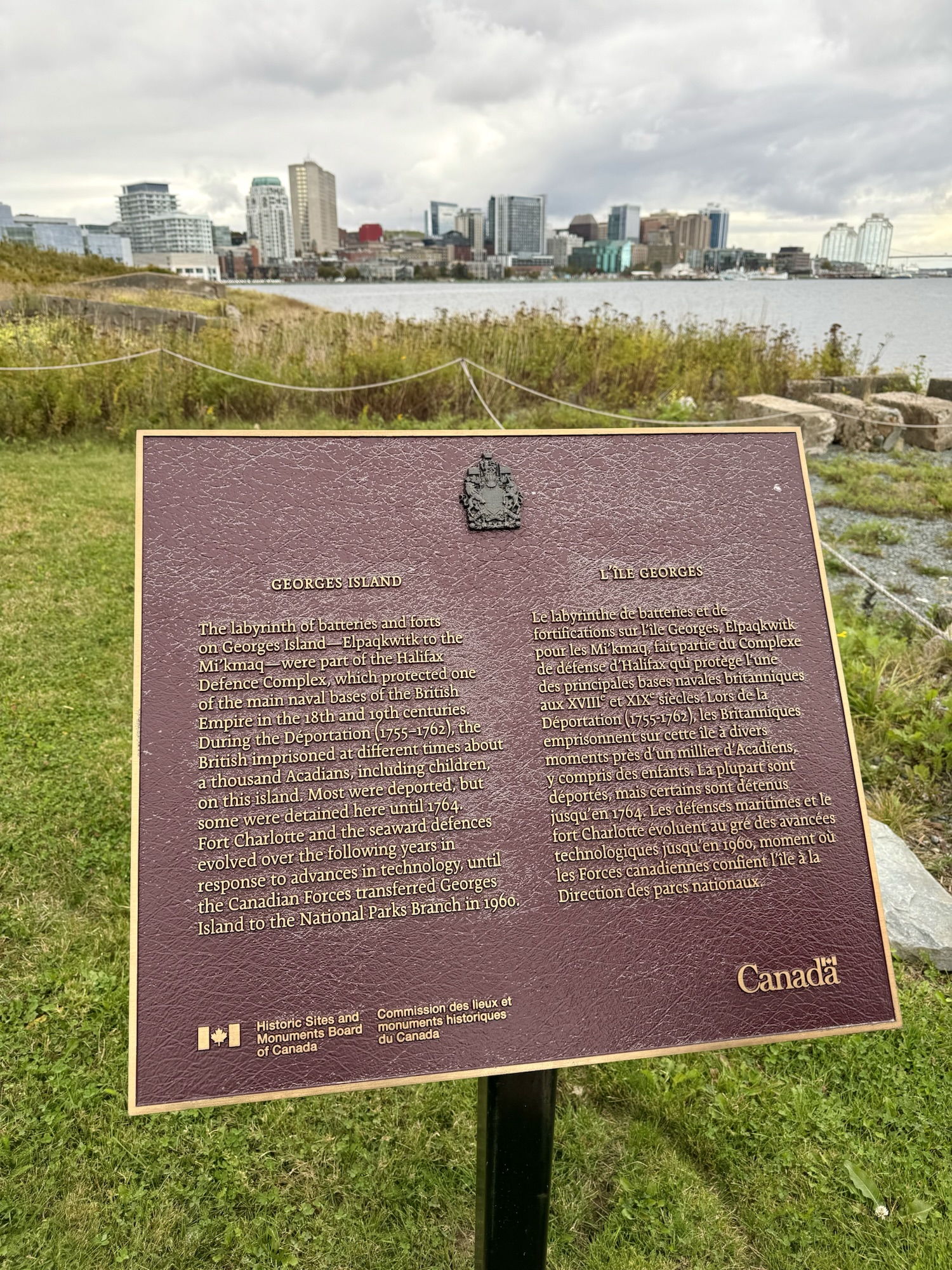
We also took the ferry from the Halifax waterfront over to Georges Island, a small but historically rich island in the middle of Halifax Harbour. The ferry ride itself offers a unique view of the harbour and the city skyline before you land on what once was a key defensive and military site for over two centuries.
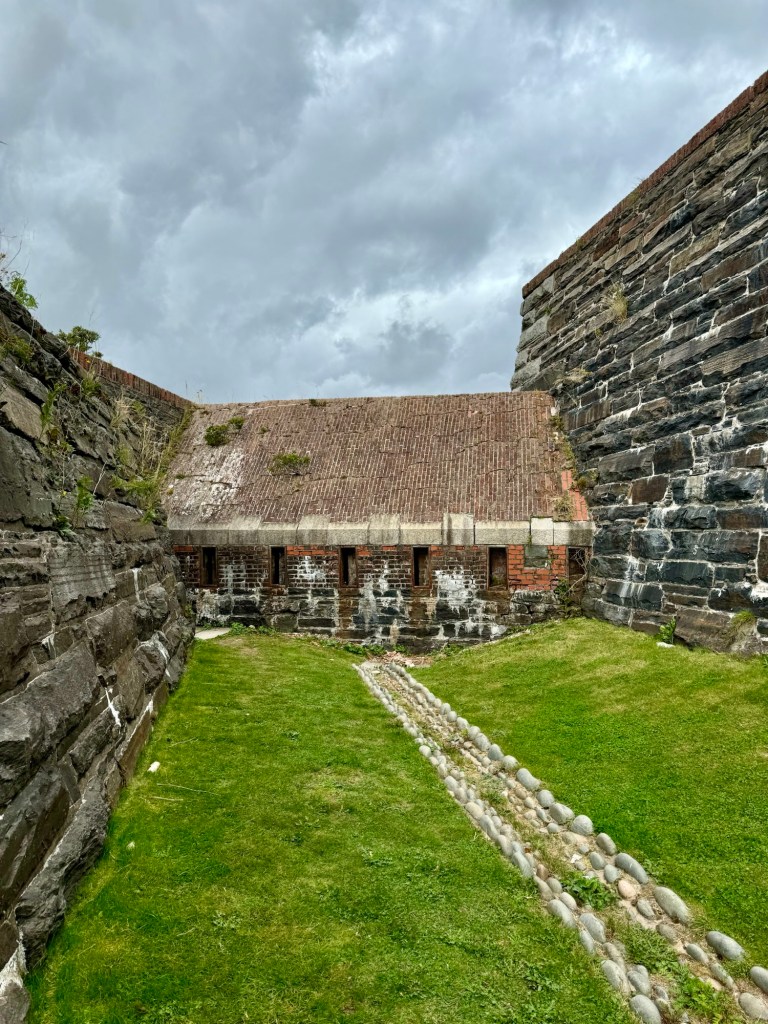
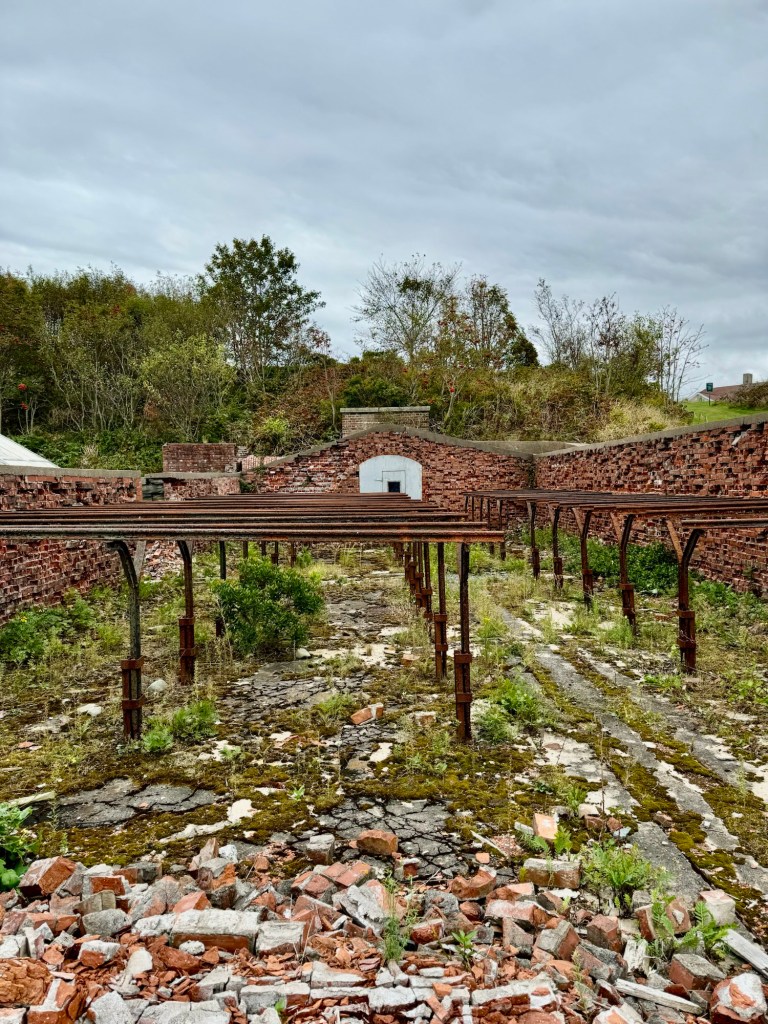
Georges Island was fortified soon after Halifax was established in 1749, and Fort Charlotte was built there in 1750 as part of the Halifax Defence Complex, protecting one of the British Empire’s most important naval stations in North America. Over time it served as a defensive fortification, where Acadian prisoners were held during the Deportation of 1755–1763, and later part of coastal defence systems through the World Wars.

Walking around the island, you can see remnants of these histories, including old fort structures, tunnels, artillery, and the lighthouse that has guided ships in the harbour for more than a century.

Day 8-10: The Cabot Trail, NS
From Halifax, we started the 6-hour journey to our destination on Cape Breton Island via the Cabot Trail. Taking the trail clockwise, the drive was stunning from the start with rolling hills, colourful houses, dramatic coastline, and flashes of the Atlantic in the distance. We went through winding roads and every time I saw the fall colours it somehow seemed even more dramatic that the before. We also had glimpses of marine life in the water, cute towns to pass through, and it just seemed like at every turn there was something new to discover.


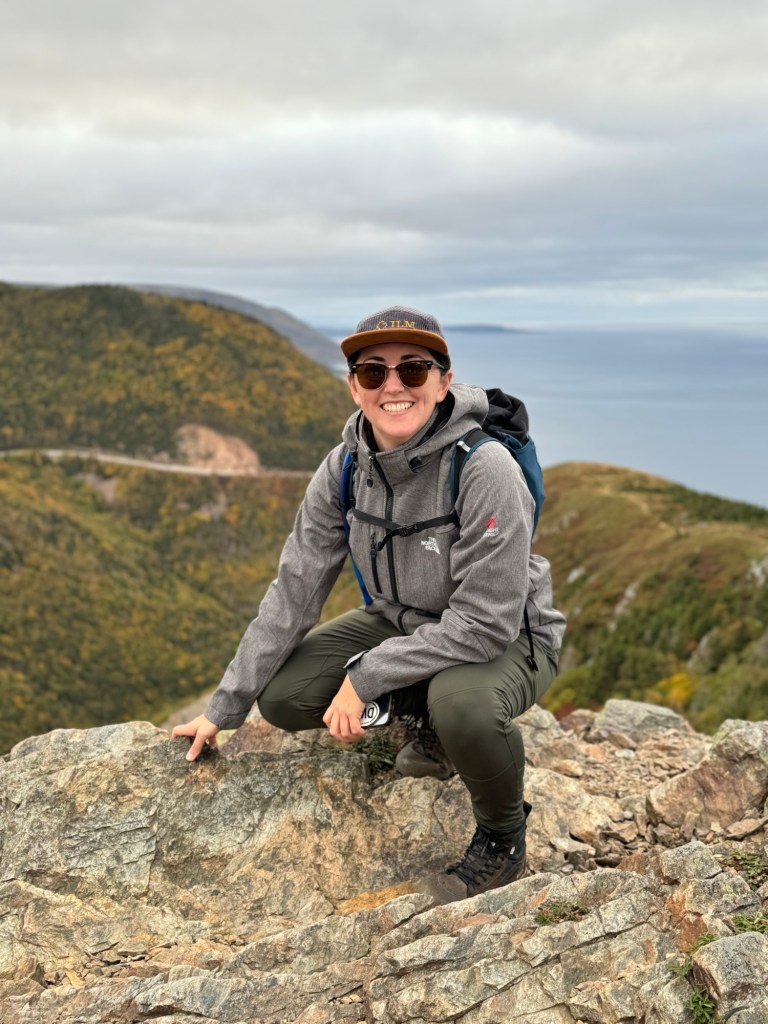
One of the highlights was hiking the Skyline Trail, one of the most iconic and scenic trails in Cape Breton Highlands National Park. The trail sits high above the Cabot Trail near French Mountain and is known for its dramatic coastal views where the mountains seem to meet the sea. It’s a loop of about 6.5–8.2 km, with a mostly gentle path and a famous boardwalk section leading to a headland lookout that offers sweeping panoramas of rugged cliffs, forest, and the Atlantic beyond.
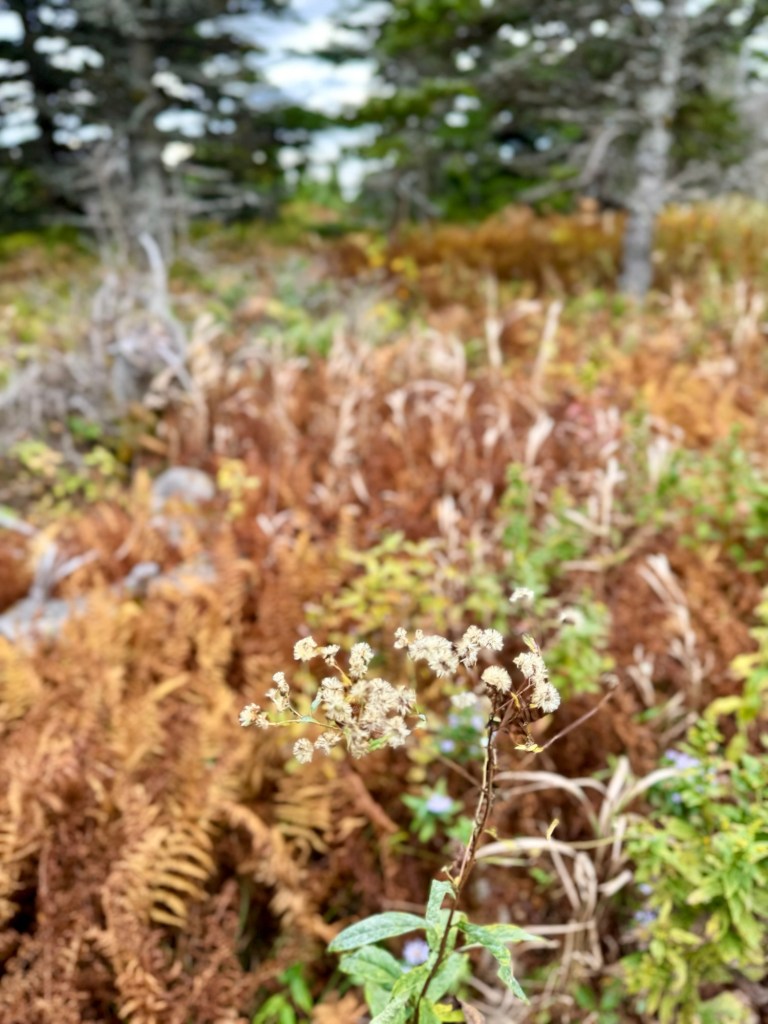
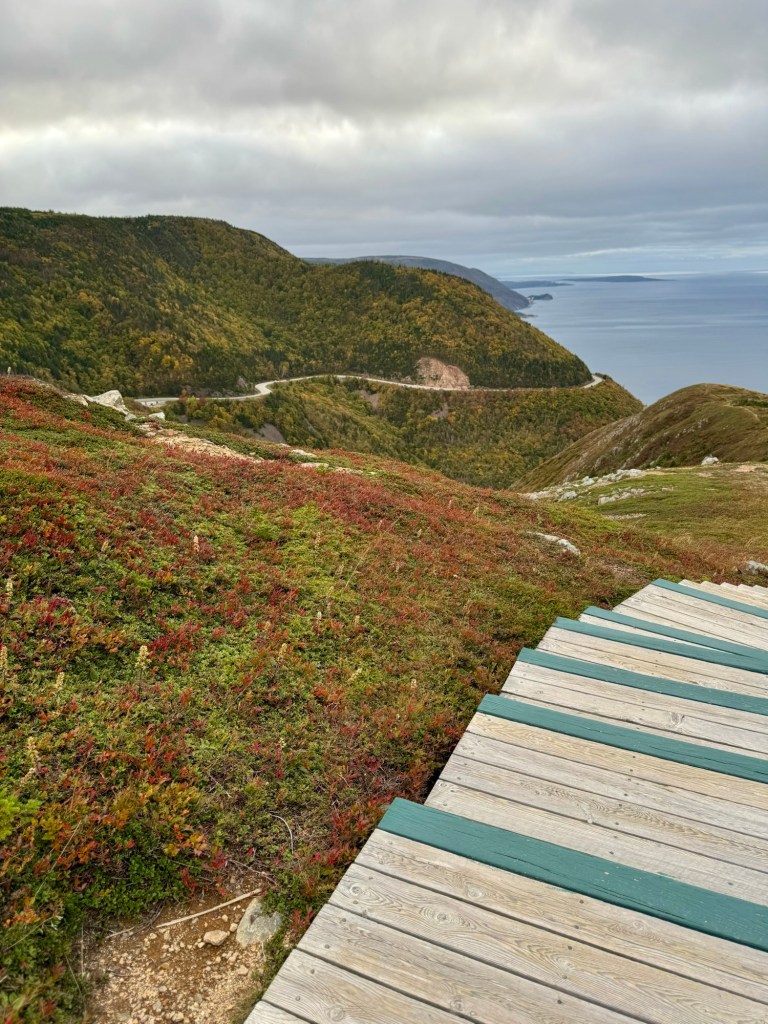

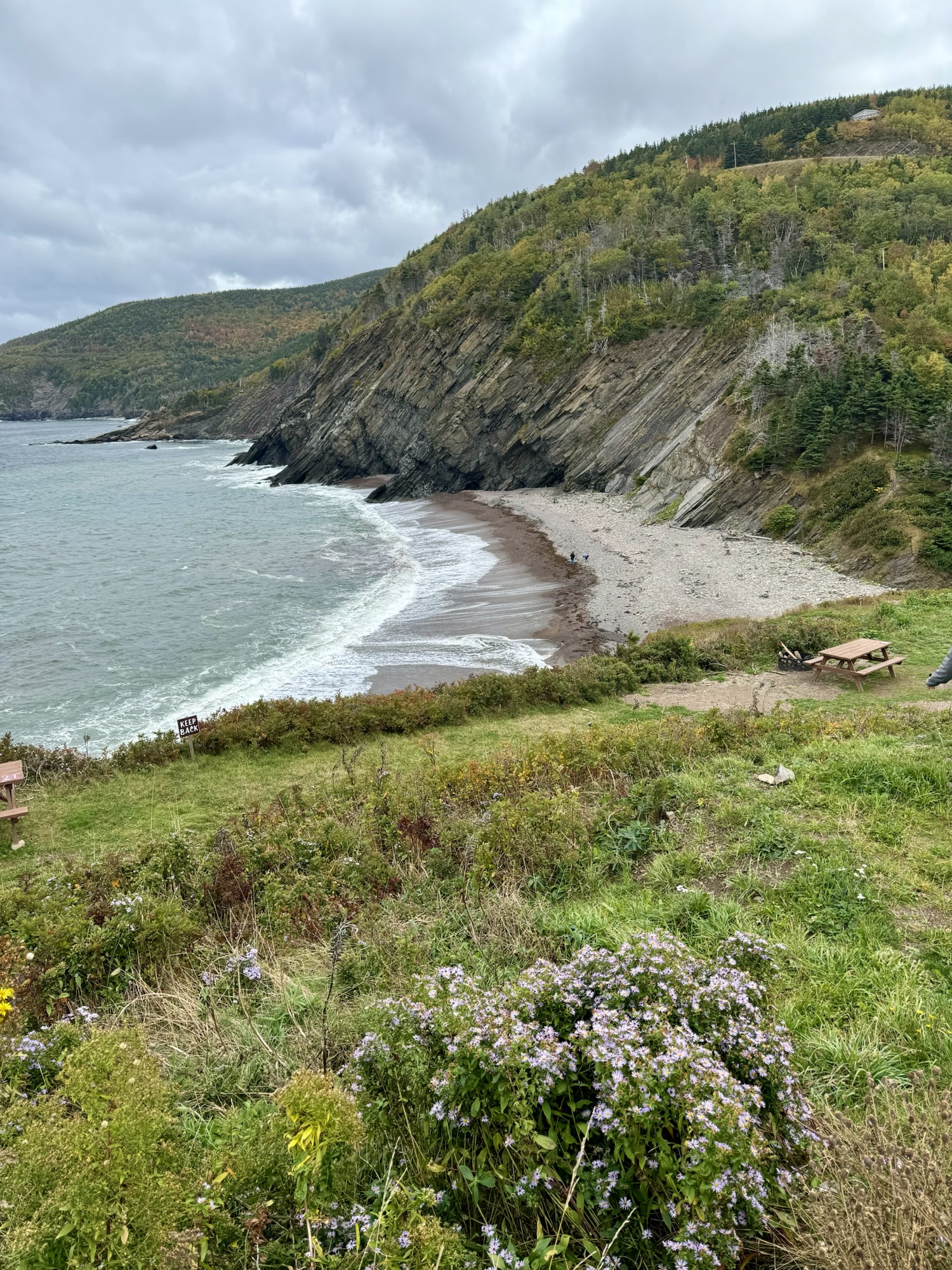
The next day, we made a scenic detour up to Meat Cove, the northernmost tip of Cape Breton, to get Julie a famous lobster roll from Lawless Lobster. The winding roads hug the cliffs, offering glimpses of the coastline and Atlantic below. After a little bit of a harrowing drive, the food truck sits on top of this dramatic cliff where we had lunch before going down to enjoy the rock beach and waves below.
On our way back, we stumbled upon a small park in Aspy Bay marking the spot where John Cabot’s 1497 voyage is believed to have first made landfall in what would become Canada. Cabot sailed under the English flag, and his expedition helped open the Atlantic coast to European exploration and trade. This landing is an important moment in the age of exploration, representing one of the earliest recorded European contacts with the continent and laying the groundwork for centuries of maritime and colonial history in the region.

We then began the long drive home, staying one night in Fredericton, though we realized we had far too little time there considering how cute it was. All things considered, we managed to cover a lot of ground and had a wonderful time driving through the coastal towns. The people were incredibly kind and generous, and I felt grateful to visit so many Canadian provinces in a single trip.
I would also love to go back and spend more time in each of these places, and hopefully make it to Newfoundland and Labrador as well. No photo could fully capture the beauty we experienced and the stunning colours of the fall leaves, but it truly was a memorable journey, filled with history, scenery, and exploration. I am also really glad that I finally made time to do some travelling in my own backyard and for the great reminder about how much there is to see at home!
 Nostalgia in Motion
Leave a comment